







I went back to Ko Lipe after 19 years, hoping to revisit the tiny island that felt like paradise in 2006. Back then it was simple and slow: a few hours of electricity, basic bungalows, good snorkeling, one beach bar, some restaurants, and easy nights. I avoided returning for years because I didn’t want to risk ruining that memory.
This trip, squeezed into a broader Southeast Asia route and timed for New Year’s, proved painful. Ko Lipe has followed the Ko Phi Phi playbook: rapid, unsustainable tourism growth. Dirt paths are now concrete to handle construction trucks and cars. Palm groves have been cleared for high-end resorts with pools on an island that has no natural water supply. Construction keeps expanding, and the environmental cost is obvious: coral suffering from anchors and pollution, overfishing, and boat traffic. Longtail boats line the beaches and leave an oily film on the water. The food scene has shifted toward predictable Western menus aimed at tourists, not the vibrant local cuisine I remember.
The boom has also changed the island’s people. Many locals sold to mainland developers; much of the workforce now comes from elsewhere and sees little long-term benefit. Resources are strained and the development feels exploitative rather than regenerative.
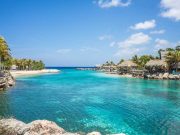
That said, I understand why first-timers fall for Ko Lipe—the scenery is still postcard-perfect, the water a vivid blue, the sand white, and the national park offers access to quieter islands. Compared with Phuket or Krabi it’s less developed. But if you remember its former pace, or if you care about sustainable travel, the decision is straightforward: don’t go.
I’m not against growth, only this kind. Visiting now only adds pressure on limited resources. You can’t easily undo the damage, and it’s unfair to expect locals to stay impoverished to preserve a traveler’s fantasy. There are better-managed nearby islands—Ko Lanta, Ko Jum, Ko Mook—that deserve your visits instead.
Tourist choices matter. When demand shifted, harmful practices like elephant rides declined and eco-lodges grew. Maybe if enough people stop visiting Ko Lipe it will change; I’m skeptical but hopeful. For now, if you want to travel responsibly, skip Ko Lipe and choose places that aren’t contributing to the problem. Sometimes saying “enough” is the only way to help.