



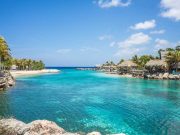

I went back to Ko Lipe after 19 years because a route down Thailand’s west coast led me past it and I wanted a particular New Year’s Eve scene. In 2006 the island felt simple and private: only a few hours of electricity a day, cheap beachfront bungalows, one beach bar, five restaurants you rotated between, and a relaxed rhythm of reading, snorkeling, learning a bit of Thai and letting days blend into each other.
This time the change was brutal. Ko Lipe has morphed into a densely built, highly commercialized destination—very much following the path of Ko Phi Phi. Dirt paths are paved to handle cars and construction trucks. Palm groves and scrub have been replaced by high-end resorts with pools, even though the island lacks a natural freshwater source. Construction never seems to stop.
The environmental damage is obvious. Coral is suffering from constant boat traffic, anchors and pollution; many reefs are bleached or broken. Long-tail boats line the beaches and their exhaust leaves a sheen on the water. Overfishing and careless anchoring have further degraded marine life that once made snorkeling special.
The food scene has shifted toward what tourists expect: safe, bland Western options over authentic Thai dishes. Locals who once owned land or ran family businesses have often been pushed out or sold to developers from the mainland. Much of the workforce now comes from elsewhere and the economic benefits don’t always flow back to the island community. It’s a classic pattern of rapid, poorly planned development: build first, hope tourists keep coming, and let resources be strained in the process.
If you’ve never been, Ko Lipe can still dazzle—white sand, vivid blue water and boat trips to nearby pockets of beauty in the national park are still possible. Compared with Phuket or Krabi it’s less commercialized, and a first-time visitor can understandably fall in love.
But knowing what I know now, I can’t recommend going. Tourism drives the changes; every visitor contributes, even indirectly, to the pressure on a fragile island. I’m not arguing against growth—managed, sustainable development is essential—but unmanaged growth that exhausts freshwater, destroys reefs and displaces locals is destructive.
There are better alternatives nearby that are less overrun and often better managed: Ko Lanta, Ko Jum and Ko Mook are a few worth considering. Travelers have influence—when people stopped supporting elephant rides, that cruelty declined; demand created eco-lodges and more responsible options. If enough visitors choose not to feed destinations heading toward collapse, there’s a chance for recovery or at least a slower pace of change.
I don’t expect overnight miracles, but I do hope travelers make choices that don’t accelerate harm. Skipping Ko Lipe for now is one small way to avoid contributing to its decline—and to encourage a tourism model that protects people, places and reefs for the future.