



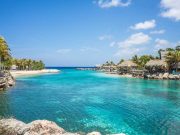

Calabria occupies the toe of Italy’s boot, wedged between the Tyrrhenian Sea to the west and the Ionian Sea to the east. The landscape flips between wild, rocky coastline and inland mountains dotted with hilltop towns. Unlike more polished tourist centers, Calabria feels lived-in and unfiltered: a little rough, profoundly real, and endlessly appealing.
Why I keep coming back
I return year after year partly for family ties—my father is from Catanzaro—and partly because the place resists being staged. Meals are slow and social, beaches are chosen on local tip-offs, and hospitality feels personal rather than performative. That lack of polish is its charm: everyday life here, with all its textures and history, is the main attraction.
Who should visit
Calabria rewards travelers who slow down and show respect. Its culture and landscapes are intertwined with economic and social history, so curiosity and sensitivity matter. If you want polished guidebook attractions, this is not your region; if you want authenticity, bold food, and dramatic scenery, consider yourself lucky to be here.
Quick FAQ
Where is Calabria?
At the southern tip of mainland Italy, forming the foot of the boot between two seas.
How long should I stay?
Plan for at least 7 to 10 days to move slowly and absorb towns, coasts, and mountain escapes.
When to go?
Late May through June and early September offer warm weather with fewer crowds. July and August are busy and very hot on the coast.
How to get there?
Fly into Lamezia Terme International Airport or take trains from Naples or Rome. Renting a car is strongly recommended; public transport can be limited between smaller towns.
Is it good for first-time visitors to Italy?
Yes, if you want a non-touristy experience and are comfortable with fewer conveniences than more commercial regions. Calabria is richly rewarding but not curated.
What to know before visiting
Calabria is one of Italy’s less affluent regions. Travel thoughtfully: support family-run restaurants and small shops, be patient with services, and remember you are visiting a living community, not a theme park.
Towns and highlights to visit
– Tropea: Famous for dramatic cliffs and crystalline water. In summer it can be lively, but the views are unforgettable.
– Pizzo Calabro: A gentler, romantic town known for its tartufo gelato and seaside dining.
– Scilla: A tiny fishing village with colorful houses spilling down to the harbor—perfect for photos and relaxed nights.
– Catanzaro: My father’s hometown, split between the hilltop historic center and the coastal lido, modest and authentic.
– Cosenza: A cultural and university center with a lively old town and a slightly more cosmopolitan feel.
What to eat
Calabrian cuisine is bold, rooted in cucina povera and strong local traditions. Expect fresh seafood, spicy flavors, and comfort dishes shaped by geography and need. The spicy pork spread known as ‘nduja is ubiquitous and transformative.
Notable recommendations
– Tropea: Try hand-rolled fileja with ‘nduja at local trattorias; for sunset aperitivi, seek small terraces overlooking the sea.
– Catanzaro Lido: Beach-club lunches are simple and communal; sample pasta al forno and artisan gelato in neighborhood gelaterie.
– Pizzo Calabro: Have pizza on a terrace facing the sea and finish with the town’s famous tartufo.
Where to stay
For authenticity, choose agriturismi or Airbnbs with sea-view terraces and kitchens. These options often feel like staying in someone’s home rather than a hotel. Scilla is ideal for seaside stays; Sila National Park offers cool mountain retreats with rustic lodgings and wide views. Small local hotels can be practical and welcoming—look for family-run places near the beach or town centers.
Things to do
– Beaches: With roughly 500 miles of coastline, dedicate time to swim and watch dawn or sunset over dramatic water. Pietragrande outside Tropea is known for clear water and fewer crowds; Soverato is lively with nightlife in high season.
– Festivals: Attend sagre in summer and fall—town fairs celebrating local specialties, from Tropea’s red onion to mountain chestnuts.
– Nightlife and culture: Reggio Calabria and Cosenza host creative scenes; occasional underground electronic nights connect Calabria to broader European trends.
Practical note and a request for patience
Earlier this year Cyclone Harry caused significant damage along parts of Calabria’s coast. Some beach accesses, businesses, and viewpoints are still being repaired. You may encounter construction, temporary closures, or fewer services in affected towns. Travel with patience, tip generously, and remember that many beautiful scenes are backed by communities working to rebuild.
Embrace la vita lenta
The best moments in Calabria come from simple rituals: shopping at a local market, assembling a picnic from fresh ingredients, lingering over long meals with new friends. Slow down, be curious, and let Calabria reveal itself on its own terms. If you go, you’ll likely leave with a sense of having discovered a place that resists being perfected—and that is its greatest gift.