






Nineteen years after spending nearly a month on Ko Lipe, I went back expecting a familiar, slow-paced paradise. In 2006 it was a barely-touched pocket of Thailand: limited electricity, cheap beachfront bungalows, a single beach bar, and long days of snorkeling and reading. It became one of my favorite travel memories, so I avoided returning for years—afraid of ruining that memory by seeing it changed. On a recent trip down the west coast, needing somewhere lively for New Year’s Eve and with a boat to Langkawi, I finally went back.
The place I fell in love with no longer exists. Ko Lipe has followed the familiar pattern of rapid, unsustainable tourism growth. Narrow dirt paths are now paved for trucks; palm groves have been bulldozed for high-end resorts with pools on an island with no natural freshwater source. Construction is ongoing. Coral is dying from overcrowded boats, anchors, runoff, and overfishing. Beaches are crowded with longtail boats whose exhaust leaves a sheen on the water. The food scene is shifting from authentic Thai to safe, bland Western menus aimed at mass tourism.
The social impacts are just as stark. Many longtime residents sold land to mainland developers and were displaced. Much of the island workforce now comes from the mainland and sees little of the tourism profits. Limited infrastructure and resources are strained by the sheer number of visitors, and the traditional rhythms of island life are fraying.
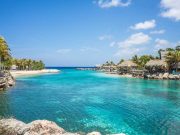
If you’ve never been, Ko Lipe can still look like a postcard: white sand, blue water, and easy boat trips to secluded spots in the national park. I understand why newcomers fall for it. But viewed through a stewardship lens, this model of growth is destructive. Every visitor increases the pressure on coral, water, waste systems, and the local community.
I’m not against tourism in principle—just this approach. Nearby islands such as Ko Lanta, Ko Jum, and Ko Mook have managed growth more responsibly and are better choices if you care about long-term environmental and social health. Consumer choices matter: travelers helped end cruel elephant rides and boosted eco-lodges by changing demand. If enough people stop feeding harmful patterns, destinations can change course.
It’s painful to admit because Ko Lipe shaped a formative travel experience for me, but sometimes you have to accept that enough is enough. If you want to help protect fragile places, skip Ko Lipe and choose islands that prioritize their environment and communities.