






The Mediterranean high season (roughly May to September) brings sun, sea and a wide range of choices—from Greek island tavernas to Moroccan souks and the pastel evenings of the French Riviera. Travel specialists working across the region say demand remains strong and travelers are increasingly choosing intentional, mixed itineraries that balance relaxation and discovery.
Greece: quieter islands and the Peloponnese
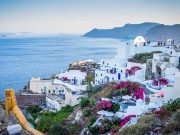
Santorini and Mykonos still draw crowds, but many visitors are opting for less-traveled Cyclades and the Peloponnese for authentic scenery and fewer people. Typical route: start in Athens (Acropolis, the new museum, or a food tour), then island-hop by ferry. Highlights include Syros’s Ermoupoli, the villages of Tinos, Milos’s lunar Sarakiniko beach, Paros’s farmland and Naxos’s Temple of Apollo. Crete’s Chania and the east coast near Agios Nikolaos offer relaxed seaside life and traditional Cretan culture. New hotel and spa openings to note: Eréma in Milos, Rosewood Blue Palace on Crete and Euphoria Retreat in Mystras.
Italy: beyond Amalfi—Sardinia, Sicily and northern gems
Italy’s appeal continues to spread beyond Rome and the Amalfi Coast to Puglia, Sicily, Piedmont, the Dolomites, Sardinia and the Northern Riviera. Sardinia is ideal for a self-drive: explore Cagliari’s Castello, the Supramonte and Nuragic sites around Oliena, then head north toward Olbia and emerald bays. Sicily pairs lively street-food cities with wine trails; Piedmont and Tuscany-style vineyards invite slow, food-focused travel.
Morocco: desert, coastline and wellness
Morocco offers tempting combinations of desert, beach and growing wellness experiences. Noteworthy properties include Royal Mansour Tamuda Bay with its large medi-spa and the perennial favorite Mandarin Oriental Marrakech. Morocco is easy to pair with Spain or Portugal—short flights and ferry links let you combine North African culture with Iberian coastlines in a single trip.
Spain: coastal variety and flexible routes
Spain’s coastline—from Costa Brava to Costa del Sol—lets travelers stitch cities, beaches and inland escapes together. Combine Barcelona with nearby Sitges, drive the Costa Brava to Cadaqués and on into southern France, or relax in Málaga, Ibiza or Mallorca. Grand Hotel Son Net on Mallorca is a standout for luxury stays. Spain is especially suited to flexible, mixed itineraries.
France: Côte d’Azur revival and inland pleasures
The Côte d’Azur is enjoying renewed glamour and new openings such as Zannier Île de Bendor and Arev in Saint‑Tropez. Spend time on coastal highlights like Calanques National Park and Cannes beach clubs, then drive inland to Provence’s lavender fields. For food and wine, combine Lyon with Burgundy or choose a river cruise that links key culinary regions.
Portugal: Alentejo, the Azores and Madeira
Beyond Lisbon and Porto, Alentejo offers a slower pace, excellent cuisine and vineyards that feel like Provence or Tuscany—consider stays in Monsaraz or Évora. Nature travelers are heading to the Azores (São Miguel’s geysers and Furnas’ hot springs) and to Madeira for levada walks, wine tasting and the Cabo Girão skywalk.
Adriatic: Croatia, Slovenia and Montenegro
Dubrovnik’s Old City and landmark hotels such as the recently refreshed Grand Villa Argentina remain big draws, but a richer Adriatic itinerary pairs Croatia with Slovenia and Montenegro. Mix the Dalmatian coast and Istria for truffle hunts, Brijuni boat trips and a variety of coastal towns and landscapes.
Türkiye: gulet charters and coastal towns
Türkiye’s southwestern shore—Bodrum to Antalya—still attracts charterers and beachgoers. Consider a week-long gulet around Fethiye to visit Butterfly Valley, snorkel at Firnaz Bay and explore Kekova’s sunken ruins. For a more traditional, less developed feel, visit Antalya, Marmaris and Patara Beach. Lures Hotel and other local properties serve as good bases.
Egypt: go deeper than a Nile cruise
Interest in Egypt stretches beyond quick stops; the Grand Egyptian Museum has increased attention on Cairo. Specialists recommend lingering longer in Cairo, Luxor and Aswan to fully explore archaeological sites, and adding the Red Sea for snorkeling or diving. For desert experiences, consider the Siwa oasis, its Shali Fortress and safari routes around El Alamein.
Planning tips from specialists
– Combine slower, deeper stays with short hops to neighboring regions (e.g., Morocco + Iberia; Croatia + Slovenia + Montenegro).
– Favor smaller islands and less-touristed towns for authenticity and easier logistics.
– Consider self-drive routes (Sardinia) and hire private guides or join food tours in cities (Athens, Rome, Barcelona).
– Use week-long charters (Turkish gulet) or multi-night spa and wellness programs (Morocco, Peloponnese) to vary the pace of travel.
Where to stay (highlights mentioned)
Eréma (Milos); Rosewood Blue Palace (Crete); Euphoria Retreat (Mystras); Grand Villa Argentina (Dubrovnik); Grand Hotel Son Net (Mallorca); Zannier Île de Bendor and Arev (Saint‑Tropez); Lures Hotel (Turkish coast); Royal Mansour Tamuda Bay and Mandarin Oriental Marrakech.
Whether you prefer island‑hopping in Greece, a Sardinian road trip, a Moroccan spa-and-souk combo, a Spanish coastal crawl, a glamorous Côte d’Azur break, volcanic Azores nature, an Adriatic circuit, a Turkish gulet charter or a deeper Egyptian cultural journey, the Mediterranean has options for slow travelers and those seeking varied itineraries. Specialists recommend planning purposeful routes that combine nearby regions, prioritize local experiences, and leave space for both relaxation and exploration.