







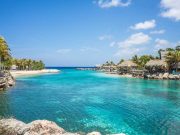

I returned to Ko Lipe after 19 years — the tiny Thai island I lived on for nearly a month in 2006. Back then it was remote in the best way: electricity for only a few hours a day, basic beachfront bungalows that cost a couple of dollars, dirt footpaths, and the very real threat that the last boat of the season would leave you stranded. The days were gloriously simple: beach, book, snorkel, the one beach bar, a handful of restaurants, and early nights. It felt like paradise, and it changed me.
Because that memory was so precious, I avoided going back. I didn’t want to ruin it by finding something different. I didn’t want to chase a version of the island that existed only in my head. Still, my recent route through southern Thailand toward Malaysia made a return practical — Ko Lipe sits on the Indian Ocean side and offers a boat to Langkawi, which was my next stop. I also wanted somewhere lively for New Year’s Eve. So I went.
What I found was heartbreaking: Ko Lipe has been developed in the mold of Ko Phi Phi — rapidly, heavily, and without apparent long-term planning. Much of the island is paved now; dirt paths are concrete roads for cars and construction trucks. Palm groves have been cleared for high-end resorts with pools, even though the island has no natural freshwater source. Construction is everywhere. Coral reefs that used to be vibrant are dying from anchor damage, pollution, overcrowded boats, and overfishing. Beaches are crowded with tour boats whose exhaust creates a slick on the water. The food scene caters to tourists with bland Western options rather than celebrating local Thai cooking.
The boom hasn’t been kind to the people who lived there. Many locals were pressured or compelled to sell land to outside developers. Much of the working population now comes from the mainland, and a lot of money leaks off the island rather than helping long-term local prosperity. In short: the place that once felt untouched and sustainable has been sacrificed to a tourism model that extracts more than it gives back.
I met travelers who were smitten — and I don’t blame them. For many first-time visitors the island still reads like a postcard: clear turquoise water, white sand, and the chance to join tours into nearby national-park islands. If you’ve never seen this part of the world, Ko Lipe can be a wow moment. Compared to Phuket or Krabi, it’s still softer around the edges. But if you’ve been before, or if you care about the long-term health of these places, the change is hard to ignore.
I’ve reached the same conclusion I did about Ko Phi Phi: if an island is already teetering under unsustainable tourism, your visit only makes things worse. I’m not against growth or tourism in principle, but this kind of unmanaged development is destructive. Resources are finite, and local communities shouldn’t be asked to sacrifice their environment and traditional livelihoods so visitors can have a convenient holiday. You can’t put the genie back in the bottle, and no one can expect locals to stay impoverished to preserve an outsider’s idealized memory.
There are better choices nearby that are being managed more responsibly. Ko Lanta, Ko Jum, and Ko Mook are three islands that, in my view, are healthier options for travelers who want beautiful beaches without the same level of overdevelopment. Choosing these alternatives helps direct tourism dollars where they’re more likely to support sustainable practices and local communities.
We’ve seen how consumer choices can change an industry. Cruel elephant rides were curtailed when travelers stopped supporting them. Eco-lodges grew because guests demanded different experiences. Talk about overtourism now happens as much among visitors as it does among residents. Maybe if enough people opt out of places like Ko Lipe, pressure will build to rein in development and restore some balance. I’m skeptical but hopeful.
If you care about preserving places like the Ko Lipes of the world, sometimes the right thing to do is to stay away. Not visiting doesn’t fix everything, but it’s a small, concrete way to avoid contributing to a problem.
If you’d rather avoid guesswork, I’ve put together resources to help plan better trips around Thailand and Southeast Asia. My detailed 350+ page budget guide to Thailand focuses on practical planning for affordable travel: suggested itineraries, budgets, money-saving tips, off-the-beaten-path suggestions, non-touristy restaurants, markets, bars, and safety advice. It’s aimed at travelers who want meaningful experiences without fueling destructive tourism.
Practical booking tips:
– Flights: Use Skyscanner to search broadly and compare many sites and airlines. It finds good deals and is my go-to search engine.
– Hostels: Hostelworld still has the largest inventory and good deals.
– Guesthouses and cheap hotels: Booking.com usually returns the best rates for these accommodations.
Insurance: Don’t travel without it. It protects you against illness, injury, theft, and cancellations. A few companies I recommend depending on your needs:
– SafetyWing (budget-minded travelers)
– World Nomads (mid-range travelers and adventure activities)
– Insure My Trip (older travelers or complex policies)
– Medjet (additional repatriation coverage)
If you want more on travel planning, I share free Southeast Asia tips and destination guides to help you make better choices. In the end, where you choose to go matters. If Ko Lipe is on your list because of nostalgia or postcard photos, consider choosing an alternative that’s better managed — your decision has an impact.