







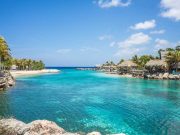

I went back to Ko Lipe after 19 years, nervous to revisit a place I had loved in 2006. Back then it felt remote: power for parts of the day, basic beachfront huts for a few dollars, sandy tracks instead of roads, one beach bar, and a slow, simple rhythm. I made friends, picked up a little Thai, snorkeled from the shore, and lived the kind of uncomplicated backpacker life people romanticize. I had avoided returning because I didn’t want to ruin that memory.
This trip was different: I was crossing Thailand’s Indian Ocean coast en route to Malaysia, needed somewhere lively for New Year’s Eve, and Ko Lipe offered a boat to Langkawi. I steeled myself and went back.
What I found was upsetting. The island now follows the Ko Phi Phi playbook: rapid, poorly planned development that eats at the place’s character and ecology. Dirt paths have been poured over with concrete to make way for vehicles hauling construction. Palm groves were cleared to build high-end resorts with pools on an island that has no natural freshwater source. Building continues apace. Coral reefs are suffering from increased boat traffic, anchors, pollution, and overfishing. Beaches are crowded with longtail boats whose exhaust leaves a sheen on the water. Local kitchens are increasingly offering uninspired Western dishes instead of vibrant Thai food.
People who grew up there have been pressured into selling land to mainland developers; many local families have been displaced. The labor force now largely comes from the mainland and rarely sees the benefits of the tourist boom. In short, the rush to cash in is extracting value and eroding the very things visitors come to see.
I understand why many first-timers love Ko Lipe — the water is still beautifully blue, the sand still soft, and the surrounding national-park islands are stunning. Compared with Phuket or Krabi it feels less built up, so the initial wow factor is understandable.
But small islands are fragile. Unplanned growth raises demand for scarce resources, harms ecosystems, and often displaces residents. If you care about responsible travel, sometimes the best choice is to skip a place. There are better-managed alternatives nearby — Ko Lanta, Ko Jum, and Ko Mook are all worth considering — where your visit is less likely to accelerate decline.
Tourist choices do change behavior: unethical attractions have faded when visitors objected, eco-friendly businesses have grown with demand, and conversations about overtourism have led to policy shifts in some destinations. Maybe if enough people decide not to visit Ko Lipe, it will encourage better planning. I’m not optimistic, but I still hope.
For now, I recommend giving Ko Lipe a pass. Your absence won’t ruin anyone’s holiday, but it might help preserve what’s left — and you won’t be complicit in avoidable damage.