October 2026 Travel & Hospitality Update: Sustainable Trips, Smarter Airports & Local Experiences
The travel industry is entering a new phase as October brings changing expectations from modern travelers.
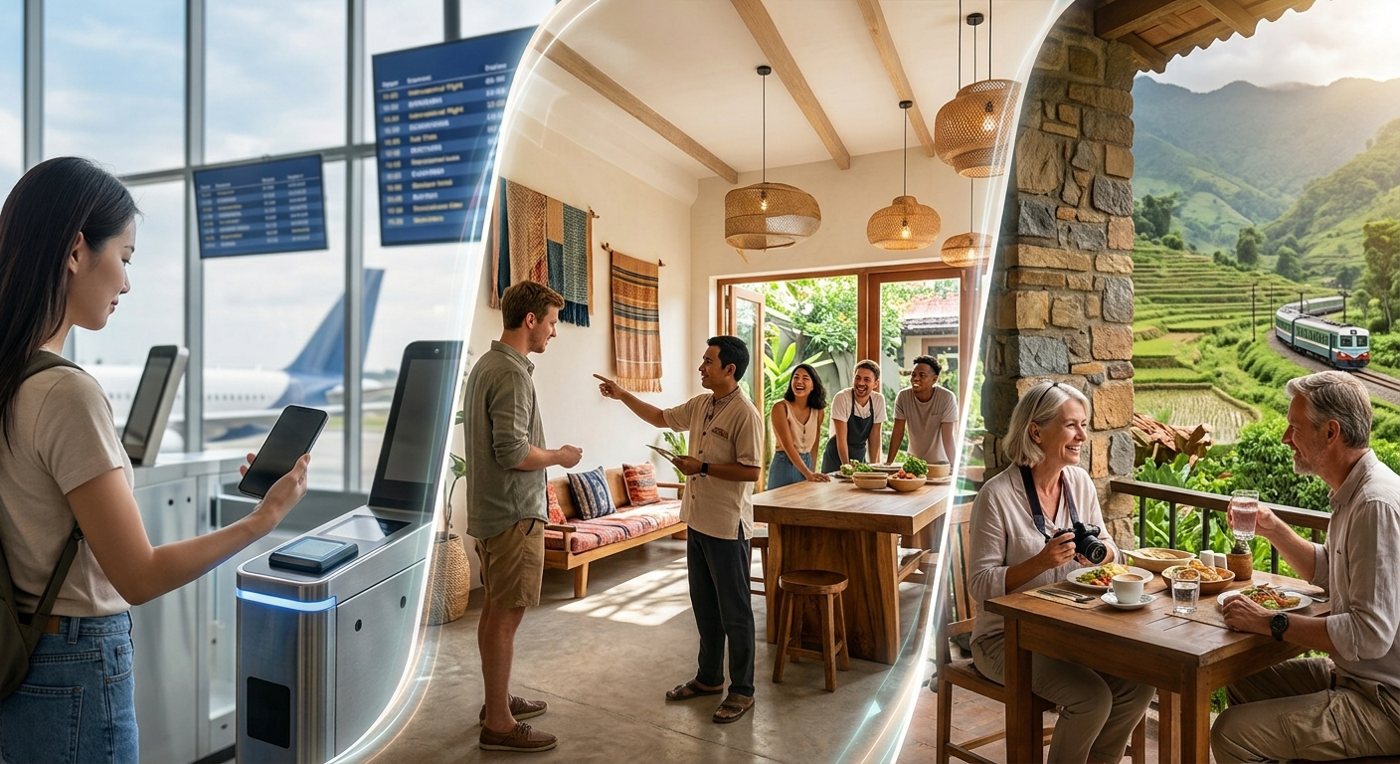
The travel industry is entering a new phase as October brings changing expectations from modern travelers. With the peak summer season winding down and holiday travel planning beginning, airlines, hotels, and destinations are adapting to what travelers value most.
Sustainability, faster airport processes, flexible accommodation, and authentic local experiences are becoming increasingly important when people decide where and how to travel.
Here are some of the biggest travel and hospitality trends shaping October 2026.
1. Sustainable Travel Becomes a Bigger Priority
Travelers are paying more attention to the environmental impact of their trips, and the industry is responding with more visible sustainability initiatives.
More Transparency Around Flight Emissions
Airlines are increasingly providing passengers with information about the estimated emissions associated with flights.
Some carriers are also investing in sustainable aviation fuel and other measures designed to reduce the environmental impact of air travel.
Eco-Friendly Hotels Gain Attention
Sustainability is also influencing accommodation choices. Hotels with recognized environmental certifications and practical green initiatives can appeal to travelers who want to reduce their impact.
Water conservation, renewable energy, recycling programs, and reductions in single-use plastics are among the measures being adopted by properties around the world.
Longer Trips Instead of Constant Moving
Some travelers are choosing to spend more time in fewer destinations rather than rushing through multiple cities.
Slower itineraries can reduce the amount of transportation required while giving visitors more time to explore local communities, food, and culture.
The Takeaway
Sustainable travel is becoming less about making one major change and more about making thoughtful decisions throughout the entire trip.
2. Smarter Technology Is Changing Airport Experiences
Airports are investing heavily in digital systems designed to make international travel faster and more convenient.
Biometric Travel Gains Ground
Facial recognition and other biometric technologies are being introduced at more points throughout the airport journey.
Depending on the airport and country, biometric systems can be used for identity verification during check-in, security, immigration, or boarding.
Digital Travel Documents
Digital passports and electronic travel credentials are also being explored as governments work toward more streamlined border procedures.
These systems can reduce paperwork and make it easier to verify traveler information electronically.
Faster Connections
For passengers traveling through busy international hubs, automated processing could reduce waiting times at certain checkpoints and make transfers more efficient.
However, the exact process varies by airport, airline, and country.
The Takeaway
The airport experience is becoming increasingly digital, with biometric identification and electronic travel credentials gradually reducing the need for physical documents at certain stages of a journey.
3. Hotels Focus More on Experiences and Local Culture
Travelers are no longer choosing hotels based only on room size, location, or traditional amenities. The experience surrounding the stay is becoming an important part of the decision.
Experiences Become Part of the Stay
Hotels are offering more ways for guests to connect with their destinations.
Cooking classes, neighborhood tours, local food experiences, cultural workshops, and guided activities can give visitors a stronger connection to the area they are visiting.
Boutique Hotels Stand Out
Independent hotels and boutique properties can appeal to travelers looking for something different from standardized accommodation.
Unique architecture, locally inspired design, and personalized service can make the hotel itself part of the travel experience.
Longer Stays and Flexible Work
Remote and hybrid work continue to influence travel habits. Some hotels are responding with longer-stay packages, work-friendly rooms, dedicated desks, and flexible rates.
This allows guests to combine work and leisure without having to separate business travel from vacation time.
The Takeaway
Hotels are increasingly becoming part of the destination experience rather than simply a place to sleep at the end of the day.
Common Travel Misconceptions
Misconception: “Sustainable travel is always more expensive.”
Reality: Some environmentally conscious choices can also save money. Using public transportation, staying longer in one location, choosing local restaurants, and avoiding unnecessary transfers can reduce certain travel costs.
However, sustainable options vary in price, so travelers should compare their choices rather than assuming that every green option will be cheaper.
Misconception: “Biometric airport systems are the same everywhere.”
Reality: Airport biometric systems differ significantly between countries and airports. Some are voluntary, while others may be integrated into specific parts of the travel process.
Travelers should check the requirements of their departure and arrival airports before traveling.
Travel Trends to Watch in 2026
Sustainable Travel: More travelers are considering environmental impact when selecting flights, transportation, and accommodation.
Biometric Airports: Facial recognition and digital identity systems are becoming more common at international travel hubs.
Local Experiences: Cooking classes, cultural activities, neighborhood tours, and other experiences are becoming part of the modern hotel stay.
Boutique Accommodation: Independent properties are attracting travelers who value character, design, and a stronger sense of place.
Extended Stays: Flexible work arrangements are making longer trips more practical for some travelers.
FAQs: What Travelers Want to Know
Are airport biometric systems compulsory for every passenger?
Not necessarily. Requirements vary depending on the airport, country, airline, and specific travel process.
Some biometric systems are optional, while certain immigration or security procedures may have their own requirements. Travelers should check official airport and government information before departure.
What is an easy way to make an upcoming trip more sustainable?
Start with practical changes. Choose direct flights when they make sense, use public transportation at your destination, avoid unnecessary short-distance flights, support local businesses, and consider hotels with credible sustainability practices.
You do not need to make every part of your trip perfectly sustainable to reduce its environmental impact.
Are staycations still popular?
Yes. Domestic getaways remain an attractive option for travelers who want a break without the cost and time involved in international travel.
A nearby hotel, resort, or short road trip can provide a change of scenery while avoiding long flights and complicated airport logistics.
The Future of Travel Is More Personal and Connected
The travel industry in 2026 is changing around the needs of modern travelers. People are looking for more sustainable ways to explore, faster and more convenient airport experiences, and accommodation that offers something beyond a standard room.
Technology is helping streamline the journey, while local experiences and flexible stays are making travel more personal.
As these trends continue, the future of hospitality may be less about simply getting from one destination to another and more about making the entire journey meaningful, convenient, and adaptable.