Western North Carolina’s Food Trail: Apple Orchards, Farm-to-Table Dining, and Mountain Hard Ciders
Western North Carolina comes alive in the fall with fresh apples, local cider, seasonal mountain cuisine, and Appalachian food traditions. Discover the best orchards, cideries, farm-to-table dining, and local food experiences to explore across the region.
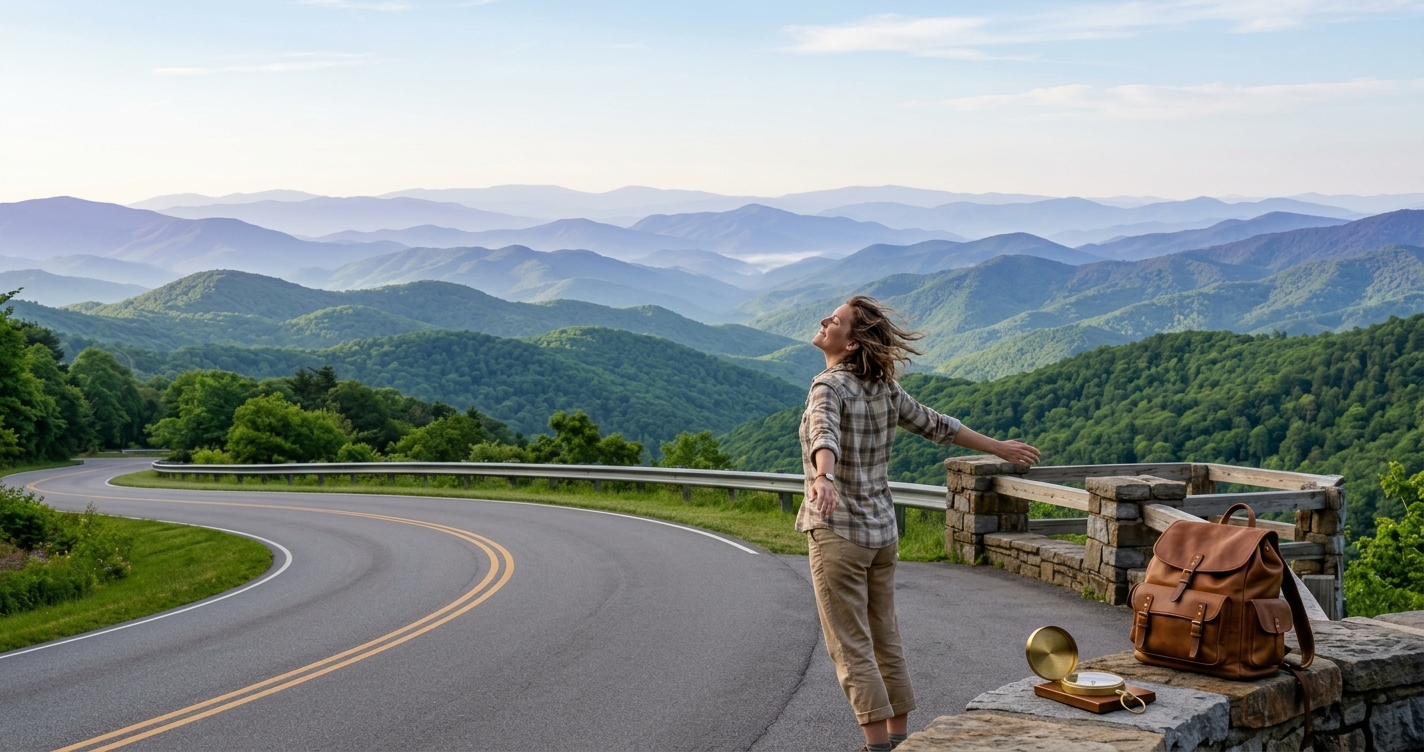
As autumn settles over the Blue Ridge Mountains, Western North Carolina takes on a slower, more inviting character. The forests turn brilliant shades of red, orange, and gold, mountain roads become especially scenic, and local farms and restaurants begin showcasing some of the region’s best seasonal ingredients.
Beyond the famous overlooks and winding Blue Ridge Parkway, Western North Carolina has developed a food culture that reflects its Appalachian roots. Family-run apple orchards, farm stands, cideries, creameries, breweries, and farm-to-table restaurants all contribute to the region’s culinary identity.
The experience is less about elaborate dining trends and more about ingredients with a strong sense of place.
Here is a guide to exploring Western North Carolina through its orchards, cideries, farms, and mountain restaurants during the fall season.
Hendersonville: The Heart of North Carolina Apple Country
Located south of Asheville, Henderson County is one of the state's most important apple-growing areas. The combination of elevation, climate, and fertile farmland has made the region closely associated with North Carolina’s apple industry.
During harvest season, the countryside around Hendersonville becomes especially lively. Roadside farm stands fill with freshly harvested fruit, orchards welcome visitors for seasonal activities, and the smell of apples and warm baked goods seems to follow you along the mountain roads.
Historic Family Orchards: Visit established orchards such as Justus Orchard or Stepp’s Hillcrest Orchard to experience the region’s apple-growing traditions firsthand. Depending on the season, visitors may find familiar favorites alongside less common varieties, making an orchard visit a chance to discover apples that are difficult to find in ordinary supermarkets.
Fresh Cider and Orchard Treats: Sky Top Orchard is another popular stop, combining apple picking and seasonal treats with impressive mountain scenery. Warm cider doughnuts, fresh-pressed cider, and freshly picked fruit make for an easygoing fall afternoon, especially when paired with a walk through the orchard.
Beyond the food itself, part of the appeal is seeing where the ingredients come from. Spending time at a working orchard gives visitors a better appreciation for how closely food, farming, and seasonal traditions remain connected in this part of the state.
Hard Cider and Mountain Craft Producers
The same apple-growing conditions that support the region’s orchards have helped create a growing craft cider culture. Local cider producers experiment with different apple varieties, fermentation techniques, and seasonal ingredients to create drinks ranging from crisp and dry to fruit-forward and sweeter styles.
For visitors interested in exploring the region’s beverage scene, cideries offer a different perspective on the local harvest.
Bold Rock and Local Cider: The Mills River area is home to cider-focused producers where visitors can sample a range of hard cider styles. Seasonal releases may incorporate ingredients such as berries or cherries, adding another layer to the region’s agricultural character.
Small-Batch and Barrel-Aged Ciders: Smaller producers around the mountains may experiment with oak aging, including the use of former bourbon barrels. These techniques can give certain ciders additional depth, with flavors that may include vanilla, spice, toasted oak, or subtle smoke.
Not every cidery follows the same approach, so part of the fun is comparing different producers. Some focus on clean, refreshing expressions of the apple, while others take a more experimental approach with barrel aging, fruit blends, or wild fermentation.
Mountain Farm-to-Table Dining: From Ridge to Table
Western North Carolina’s restaurant culture is closely tied to the farms and producers surrounding it. Appalachian food traditions have historically relied on preservation, gardening, hunting, fishing, foraging, and making the most of whatever ingredients were available throughout the year.
Modern farm-to-table restaurants continue many of those ideas while incorporating contemporary cooking techniques.
Seasonal Menus in Asheville and Beyond: Restaurants in Asheville, Waynesville, Hendersonville, and other mountain communities often highlight ingredients from nearby farms and producers. Depending on the season, menus may include mountain trout, heritage pork, mushrooms, heirloom corn, squash, greens, apples, and other locally sourced ingredients.
Artisanal Mountain Creameries: Cheese lovers can also explore the region’s small dairies and creameries. Goat’s milk and cow’s milk cheeses can often be found at farmers markets, specialty shops, restaurants, and farm stores, with varieties ranging from fresh and creamy styles to aged and sharper cheeses.
One of the best parts of eating in the region is the changing menu. A restaurant that serves one combination of ingredients in early fall may feature an entirely different selection several weeks later as local farms move through the harvest season.
Farmers Markets and Local Farm Stops
A Western North Carolina food trip does not have to revolve around restaurants. Farmers markets and roadside farm stands are an easy way to see what is actually being harvested during your visit.
Depending on the time of year, visitors may encounter apples, pumpkins, squash, greens, tomatoes, preserves, baked goods, cheeses, meats, and other locally produced foods.
Markets are also a good place to discover smaller producers that may not have dedicated storefronts. If you are staying in a cabin or vacation rental, picking up local ingredients can turn the trip into its own culinary experience.
For travelers interested in taking something home, look for products that travel well, such as jams, preserves, baked goods, local cheeses, and other packaged specialties. Always check current market schedules and seasonal availability before planning a stop.
Building Your Own Western North Carolina Food Trail
One of the easiest ways to explore the region is to combine several types of food experiences into a single day rather than visiting restaurants exclusively.
A typical fall itinerary might begin with an orchard visit in the morning, followed by a farm stand or farmers market stop. From there, travelers can continue toward a cidery for an afternoon tasting before ending the day at a restaurant featuring seasonal Appalachian ingredients.
If you're staying around Asheville, consider building day trips toward Hendersonville, Mills River, Waynesville, or other nearby mountain communities. The exact route will depend on the season, opening hours, weather, and the specific farms and restaurants you want to visit.
Allow plenty of time between stops. Mountain roads can take longer to navigate than the distance on a map suggests, and part of the appeal is stopping when you find a farm stand, scenic overlook, bakery, or small-town shop that catches your attention.
Planning a Seasonal Food Trip
Timing is an important part of experiencing Western North Carolina’s food scene. Fall is particularly popular because apple harvest, changing foliage, farmers markets, and seasonal restaurant menus overlap during this period.
Apple availability varies by orchard and variety, so check individual farms before making a trip specifically for a particular apple. The same applies to cideries, markets, and restaurants, as seasonal hours and special events can change throughout the autumn.
For a smoother trip, group destinations geographically rather than trying to cover the entire region in one day. Hendersonville and its surrounding orchards can make a natural day trip, while Asheville can serve as a base for exploring nearby mountain communities.
It is also worth leaving some flexibility in your schedule. Western North Carolina is a place where the journey between destinations can be just as enjoyable as the destination itself. A roadside farm stand, mountain view, local bakery, or unexpected seasonal event can easily become one of the highlights of the trip.
Most importantly, let the season guide what you eat. The appeal of a Western North Carolina food trail comes from experiencing ingredients when they are most closely connected to the landscape and local harvest—not simply checking a list of restaurants off an itinerary.