How to read the watt-hour rating that decides what you can fly with
The number that governs airline battery rules is watt-hours, not milliamp-hours, and most travellers are checking the wrong figure entirely.
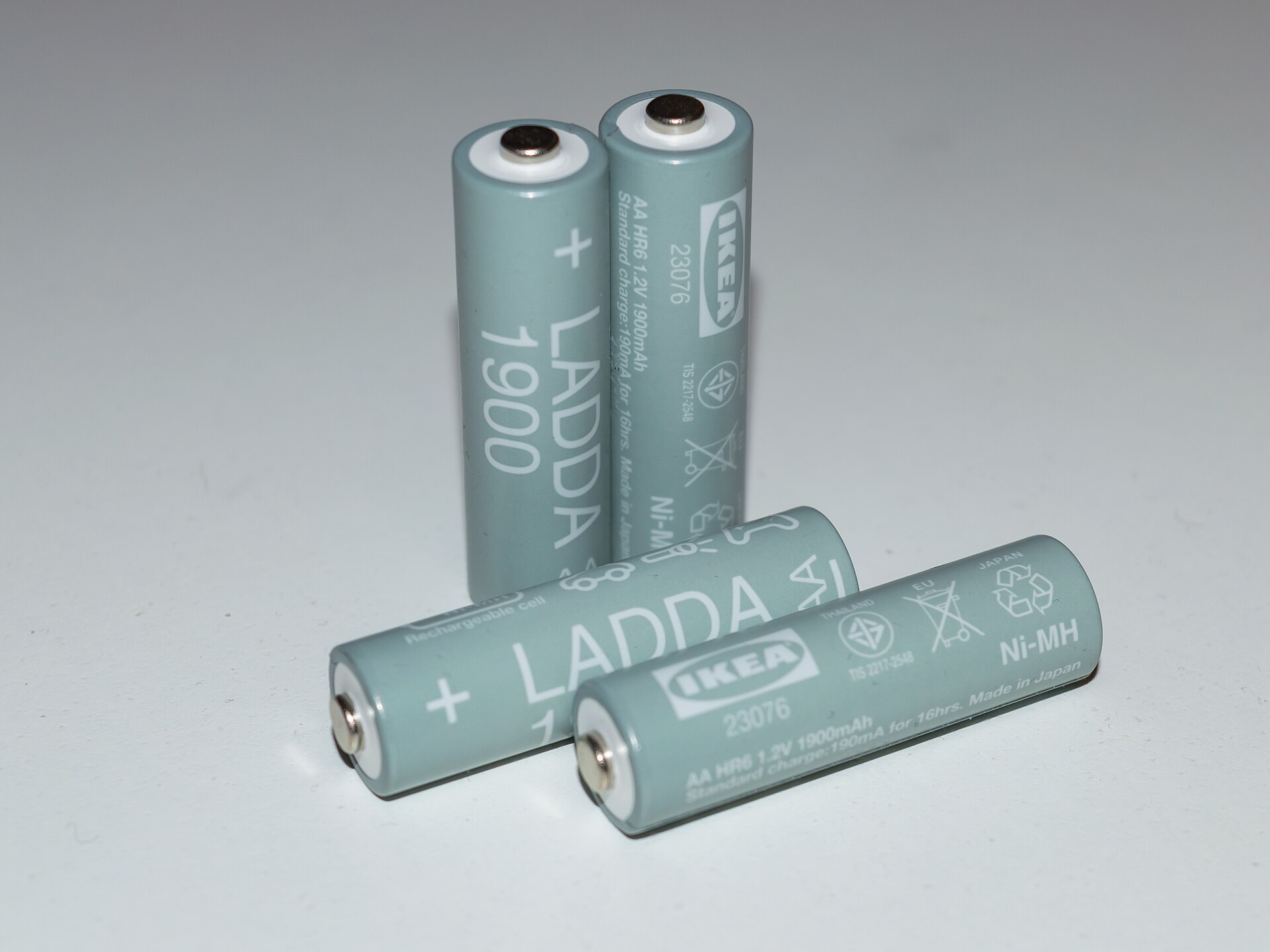
Almost every airline battery rule is written in watt-hours. Almost every power bank is marketed in milliamp-hours. That mismatch is the source of most of the confusion at security.
The thresholds
Three bands govern what you may carry:
- Under 100Wh — carry freely in the cabin, no approval required. This covers the overwhelming majority of consumer power banks, roughly everything from 5,000mAh up to about 26,800mAh.
- 100Wh to 160Wh — permitted with prior airline approval, generally capped at two units per passenger. This band captures professional camera batteries, large laptop packs and some drone batteries.
- Above 160Wh — not permitted in passenger baggage at all. These need to travel as cargo under dangerous goods procedures.
Doing the conversion
Milliamp-hours alone tell you nothing, because capacity depends on voltage as well. The conversion is straightforward:
Watt-hours = (milliamp-hours ÷ 1,000) × voltage
Most single-cell power banks run at a nominal 3.7 volts. So a 20,000mAh pack works out at 20 × 3.7 = 74Wh — comfortably inside the free-carriage band.
A 26,800mAh pack at 3.7V comes to about 99Wh. That is not a coincidence — manufacturers deliberately size their largest consumer packs to sit just under the 100Wh threshold.
Where people get caught out
The rating is usually printed
Check the casing before doing any arithmetic. Reputable manufacturers print the watt-hour figure precisely because it is the number airlines ask for. If it is printed, that figure is the one that counts.
Unmarked batteries are a problem
A battery with no legible rating can be refused outright, because staff have no way to establish which band it falls into. Cheap unbranded packs and batteries whose labels have worn off are the most common casualties.
Higher-voltage packs are not 3.7V
Some larger packs, particularly laptop-oriented ones and anything supporting high-wattage USB-C delivery, run at higher nominal voltages. Applying 3.7V to those will understate the true watt-hour figure significantly.
A quick reference
- 10,000mAh at 3.7V ≈ 37Wh — fine.
- 20,000mAh at 3.7V ≈ 74Wh — fine.
- 26,800mAh at 3.7V ≈ 99Wh — fine, but at the limit.
- Anything advertised above roughly 27,000mAh — check the printed rating carefully.
The one habit worth forming
Look at the printed watt-hour rating when you buy the power bank, not at the airport. A pack that turns out to be unmarked or over the limit is a problem you want to discover at home, where the only cost is a return.