A first-timer's guide to Saudi Arabia's Red Sea coast
Reefs in unusually good condition, a purpose-built luxury destination and a visa process that barely existed a decade ago. What to know before going.
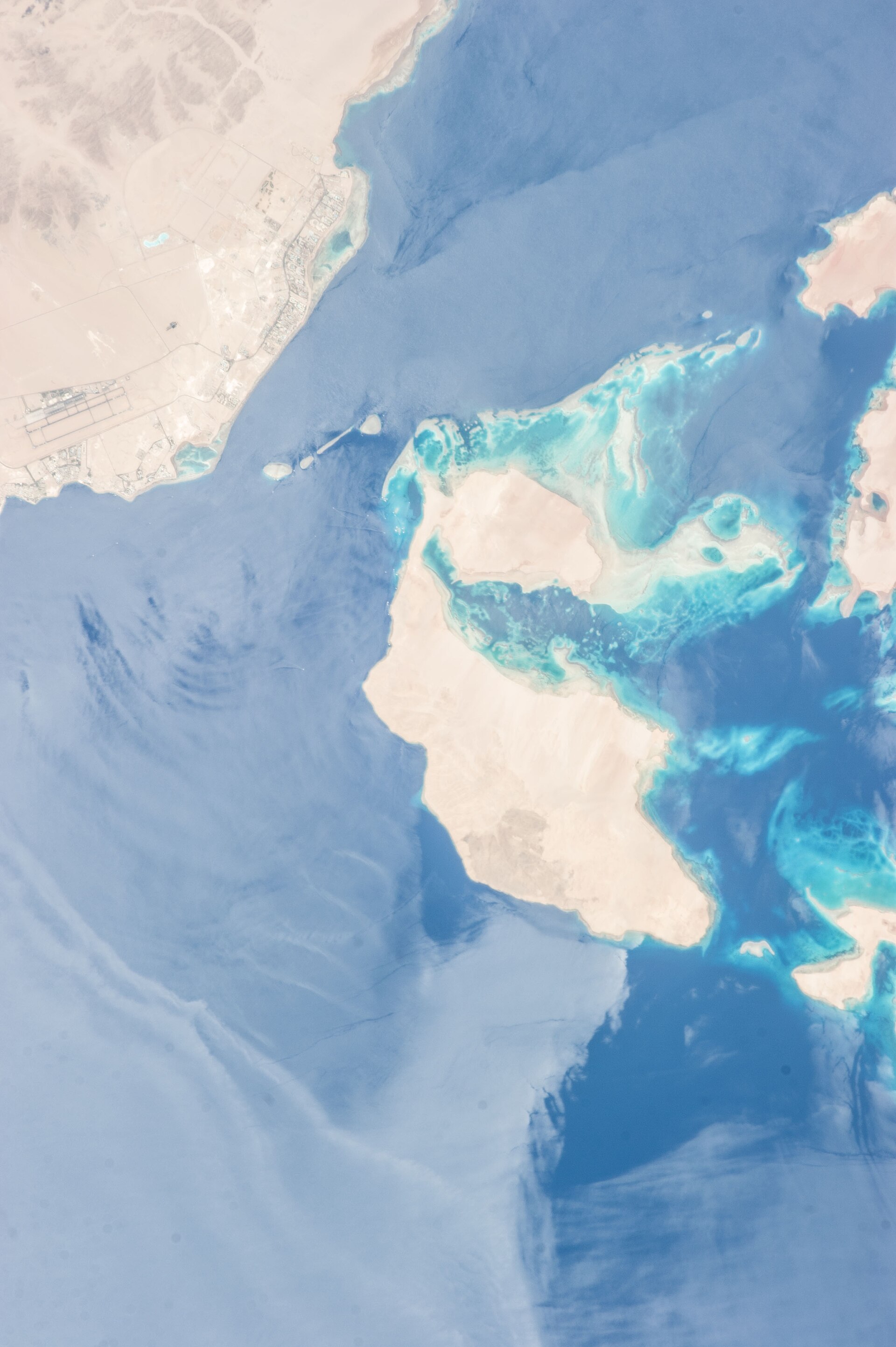
The Saudi Red Sea coast has gone from effectively closed to leisure travel to hosting international luxury resorts in under a decade. It is one of the fastest openings of a coastline anywhere, and it comes with a set of things worth understanding first.
What is actually there
The draw is underwater. The northern Red Sea holds reef systems in notably good condition, and the Saudi stretch has had almost no diving pressure because until recently almost nobody could go.
Above water, the development is being built rather than discovered. A string of islands and mainland coast is being developed simultaneously, with its own airport and a deliberately capped visitor number intended to protect the reefs.
You are visiting a destination that is being constructed around you. That is part of the experience and, for some travellers, part of the objection.
Getting in
The visa
Saudi Arabia introduced a tourist visa relatively recently and it is obtainable online for most nationalities. This is the single biggest change from the position ten years ago, when leisure travel was essentially not possible.
Getting there
The development has its own airport, which removes what would otherwise be a long overland transfer from Jeddah. Connectivity is still building, and routings currently involve a connection for most travellers.
What to expect socially
Rules within the resort areas are more relaxed than the country's general norms, and this has been an explicit part of the project's design. Outside the resort zones, expectations are different, and it is worth reading up rather than assuming the resort rules extend.
Practical points that come up most often: dress conservatively when travelling outside resort areas, alcohol is not available in the country, and prayer times affect opening hours in towns and cities.
Who this suits
Divers
The clearest case. Reefs that have not been worked over are genuinely rare, and this is the main reason to make the trip now rather than in ten years.
Travellers who like being early
There is a real appeal in seeing a destination before it settles into itself, with the accompanying roughness that implies.
Who it does not suit
Anyone looking for a bargain. This is positioned at the top of the market and priced there — it is not an emerging-destination discount. And anyone hoping for a developed, layered visitor scene: the restaurants, the independent operators and the accumulated local tourism knowledge do not exist yet.
The honest assessment
The reefs are the reason to go and the thing most at risk from the infrastructure being built to reach them. The visitor cap written into the development plan is either a genuine constraint or a marketing position, and it will take a decade to find out which. Going now means seeing it at the point where that question is still open.