Riyadh Air adds three destinations in a single month
The Saudi carrier launched Bangkok service on 2 September, adds daily Manila flights from the 9th and Manchester from the 19th.
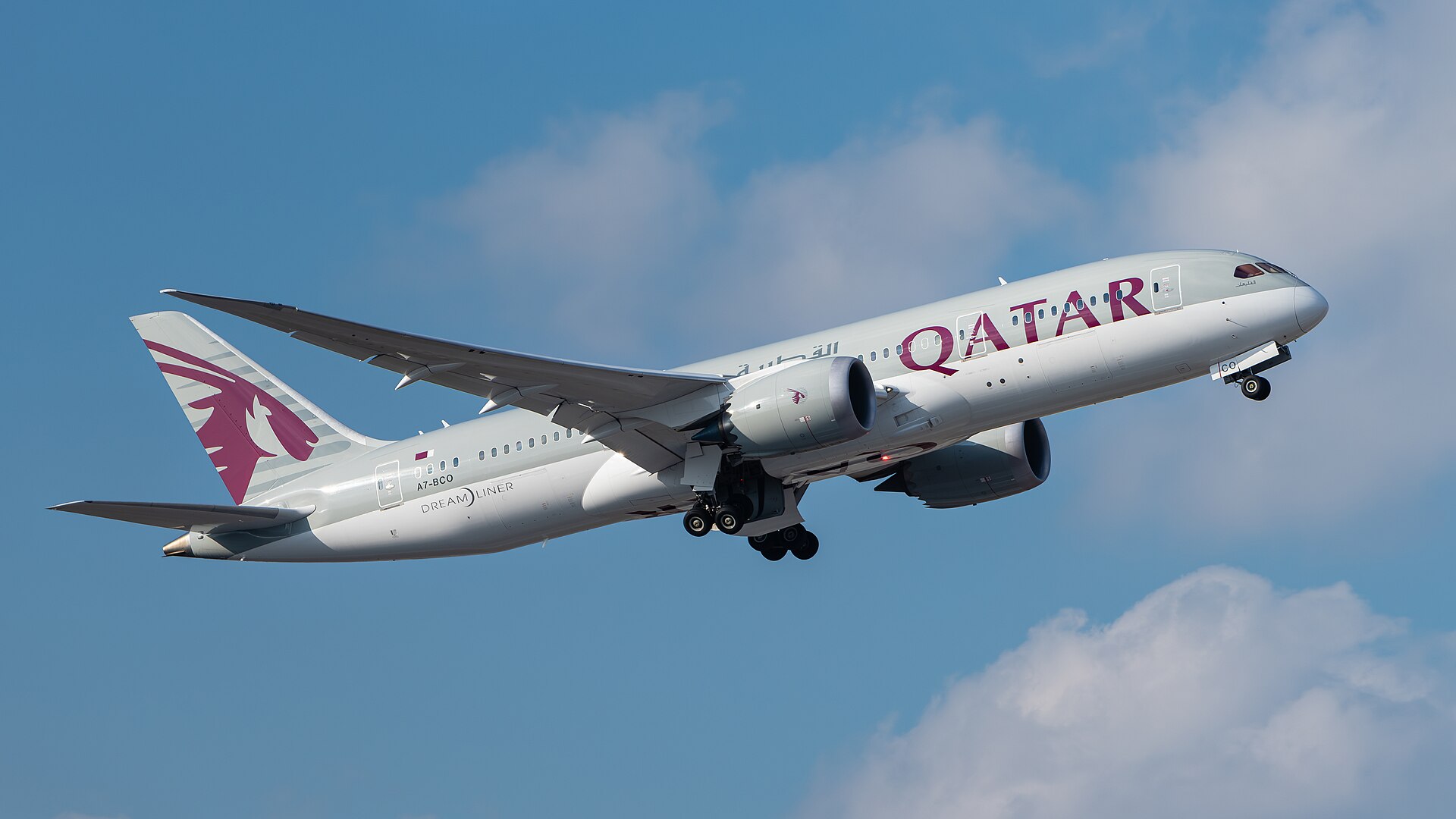
Riyadh Air is adding three destinations to its network inside a single month, one of the fastest expansion sequences any long-haul carrier has attempted recently.
The three routes
- Bangkok Suvarnabhumi — three weekly Boeing 787-9 services, launched 2 September.
- Manila Ninoy Aquino International — daily service from 9 September.
- Manchester — three weekly services from 19 September.
Each is flown from the airline's Riyadh base, and the pattern across the three tells you what the network is for.
Reading the strategy
Manila is a traffic route
A daily frequency to Manila is not a leisure play. The Gulf states host an enormous Filipino workforce, and daily service to Manila is one of the most dependable sources of year-round, full-aircraft demand available to any Gulf carrier. It is the commercial anchor of the three.
Bangkok is a leisure and connecting route
Three weekly frequencies to Bangkok serve both outbound Saudi leisure travel and connecting traffic feeding between Southeast Asia and Europe over the Riyadh hub.
Manchester is a hub-building route
Manchester is the most strategically interesting of the three. It is a large catchment that legacy long-haul carriers have historically underserved relative to London, and it gives the airline a European feed point that does not require competing head-on at Heathrow.
Adding three destinations in seventeen days is only possible with aircraft already delivered and crews already trained. The pace itself is the statement.
The competitive context
Saudi Arabia is attempting to build a connecting hub in a corridor already served by two of the most successful hub carriers in aviation history, both within a short flight of Riyadh. The incumbents have decades of network depth, established loyalty bases and mature hub infrastructure.
The new entrant's counter-argument is a domestic market of substantial size and a national tourism strategy that generates origin-and-destination demand the incumbents have to connect to reach. That is a genuinely different position from starting a hub carrier with no local market behind it.
What travellers get
In the short term, competitive pressure. A third serious operator in the Gulf connecting market puts downward pressure on fares between Europe and Southeast Asia, and a new entrant building share tends to price accordingly.
Practical notes
- Three-weekly frequencies mean limited rebooking options if something goes wrong. Check what the recovery path looks like before committing to a tight itinerary.
- Loyalty reciprocity with other programmes is still developing; do not assume status benefits carry across.
- Launch fares on new routes tend to be the best they will ever be.