Spare camera and drone batteries need individual protection
Loose spare batteries short-circuit when their terminals touch metal, and the fix takes seconds — original packaging, a case, or tape.
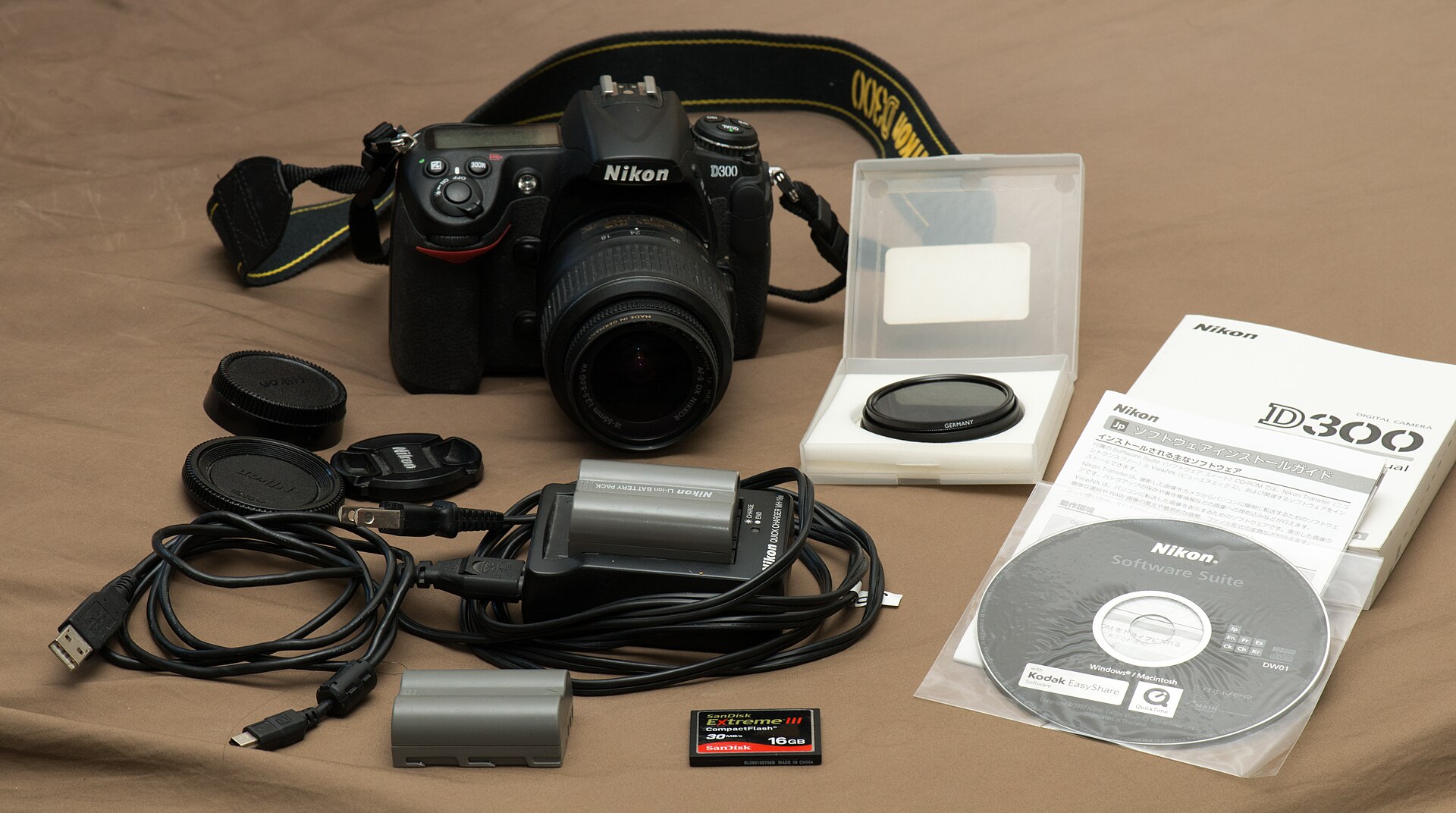
Spare batteries are the category travellers most often get wrong, because they do not feel like the thing the rules are aimed at. A power bank looks like a battery. A small grey camera cell looks like an accessory.
The rules treat them identically, and for good reason.
How a spare battery actually fails
The dangerous scenario is not spontaneous combustion. It is a short circuit caused by the terminals bridging against something conductive.
A loose battery in a camera bag is surrounded by exactly the wrong things: coins, keys, a lens cap with a metal rim, memory card cases, and — most commonly — other batteries. Two spare cells touching terminal to terminal will discharge into each other, heat rapidly, and can ignite.
Almost every spare battery incident in a bag begins with contact, not with a defect. Preventing contact prevents the incident.
The three acceptable methods
Original packaging
The plastic case a battery ships in is designed for exactly this. It is the best option and the one most people throw away.
A dedicated battery case
Hard cases holding two to four cells in separated compartments cost very little and are the practical solution for anyone carrying more than a couple of spares. They also make it obvious at a glance which cells are charged.
Tape over the terminals
The field expedient. Electrical tape or gaffer tape across the contacts of each cell, individually. It works, it satisfies the requirement, and it is what to do when you realise at the airport that your spares are loose in a pocket.
The rules that still apply
Protection does not exempt a spare battery from anything else:
- Spares travel in the cabin, never in checked baggage.
- They stay within reach at the seat, not in the overhead bin, on carriers that require it.
- They may not be recharged from aircraft power.
- They count towards any per-passenger quantity cap the airline applies.
Why this matters more than it used to
Quantity caps are the new pressure point. A photographer on assignment might reasonably carry six or eight camera cells plus two or three drone batteries — a load that was unremarkable a few years ago and now runs up against carrier limits on some airlines.
If you carry a lot of batteries
- Check the specific airline's stated limit before the day of travel.
- Carry them protected and organised, so a bag check is quick rather than an excavation.
- Consider whether some can travel installed in the equipment rather than as spares — installed batteries are treated more permissively.
None of this is difficult. It is a case, a roll of tape, and remembering that the small grey rectangle is the same hazard as the big black one.