Japan in shoulder season: why late September changes everything
The weeks after the typhoon season and before the autumn colour rush deliver milder weather, thinner crowds and lower room rates across Japan.
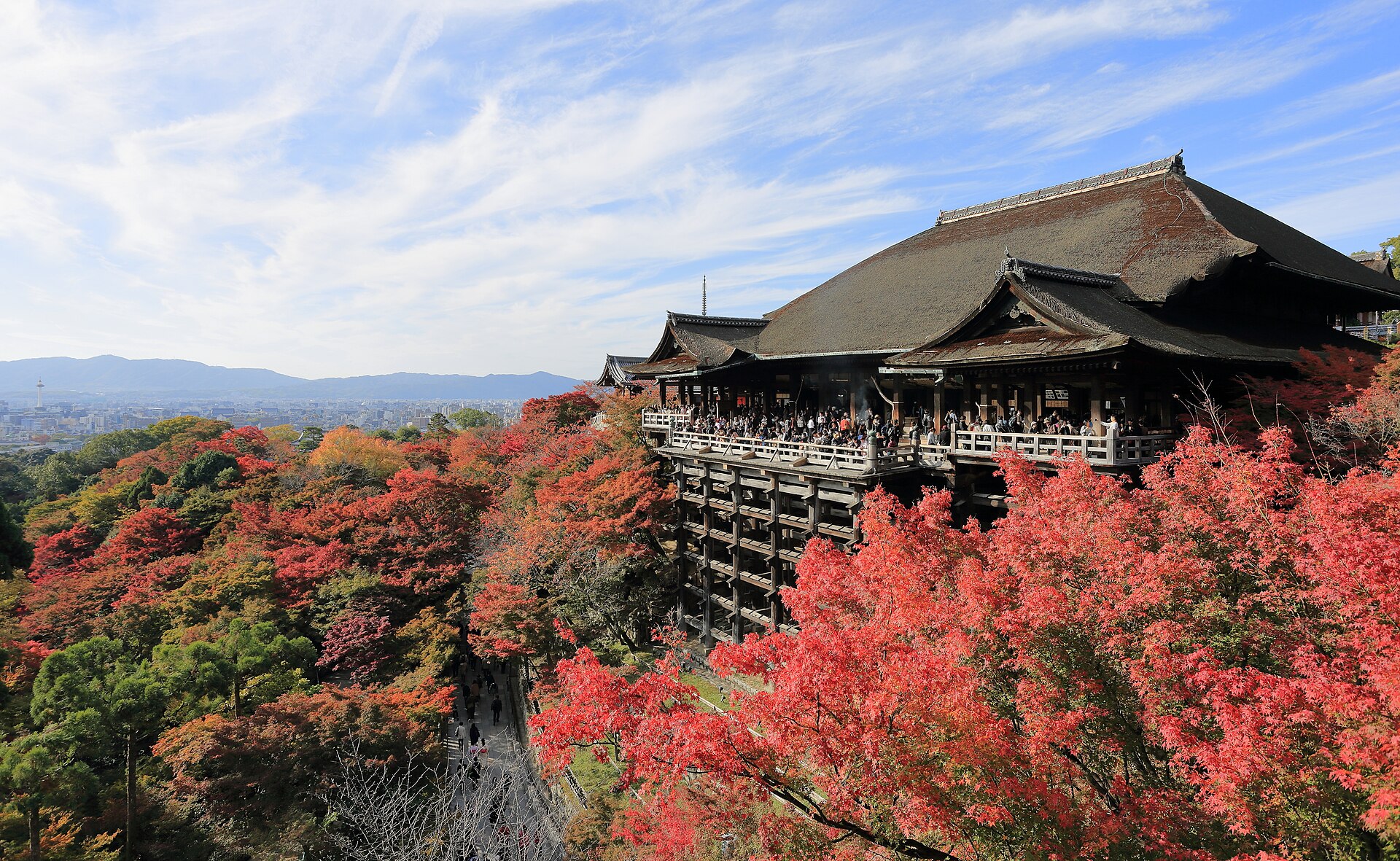
There is a narrow window in the Japanese travel calendar that consistently outperforms every other time of year, and most visitors miss it because it falls between two things they have heard of.
It runs from late September into early October — after the worst of the summer heat and the typhoon season, and before the autumn colour rush pulls domestic travellers onto the same trains as everyone else.
What you actually get
Weather
Japanese summer is genuinely difficult. Humidity in Tokyo, Kyoto and Osaka through July and August makes sustained walking unpleasant, and the temple-and-garden itineraries most first-time visitors plan are largely outdoor. By late September that has broken.
Crowds
This is the substantive difference. The summer holiday period has ended, the autumn foliage season has not started, and the gap between the two is one of the few periods when the famous sites are navigable.
Rates
Accommodation pricing follows the same curve. Hotel rates in the shoulder window sit well below both the summer peak and the November foliage peak.
The three things that make Japan difficult — heat, crowds and cost — all ease at once in the same fortnight. That is not true of any other window in the year.
The current context
Two things have changed the crowding picture recently. Japan has raised entry fees at national parks and heritage sites and has been actively steering visitors away from the most congested districts. And parts of Tokyo's Asakusa, Osaka's Dotonbori and central Kyoto — areas that were consistently packed with tour groups — have reportedly thinned.
Neither has solved the problem at the handful of sites where crowding is worst. But the general texture of a trip is easier than it was.
What to watch for
Typhoons
The season tails into September. The risk is real but manageable — systems are well forecast several days out, and the practical effect is usually a lost day rather than a lost trip. Build slack into the itinerary and take travel insurance seriously.
The colour timing
Autumn foliage arrives from the north and moves south, reaching Kyoto in mid-to-late November. Travelling in the shoulder window means you will miss it — that is the trade. If foliage is the point of the trip, this guide does not apply to you.
How to build the trip
- Front-load the famous sites in the first days, before jet lag has fully lifted — you will be waking early anyway, which is exactly when the crowded places are worth visiting.
- Give a third of the trip to somewhere outside the main corridor. The Tokyo–Kyoto–Osaka route contains almost all of Japan's crowding and a small fraction of its country.
- Book accommodation early anyway. Rates are lower in this window, but supply in Kyoto is tight year-round.