The five most crowded places in Japan, and what to do instead
Fushimi Inari, Arashiyama, Senso-ji, Shibuya Crossing and the Fuji viewpoints absorb a huge share of Japan's visitors. Here is how to handle each.
Japan's crowding problem is remarkably concentrated. A handful of sites absorb a disproportionate share of the country's international visitors, while the great majority of the country remains comfortable.
These are the five that carry the load, and what to do about each.
Fushimi Inari, Kyoto
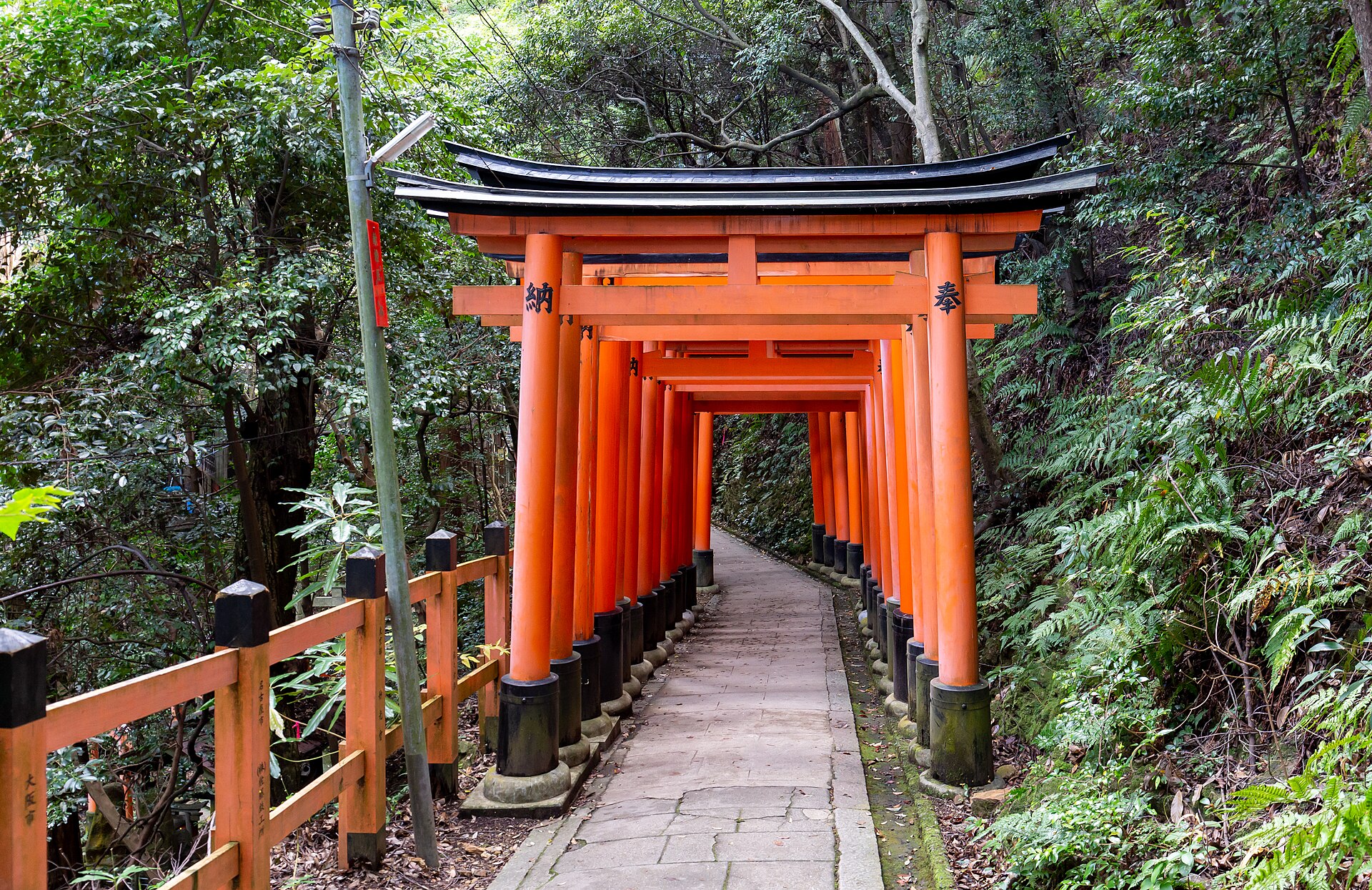
The torii path is a narrow corridor, single-file for much of its length. That geometry is why it feels worse than the raw numbers suggest — there is no room to pass.
The fix
Go early. The shrine grounds are open around the clock and the difference between 7am and 10am is the difference between a mountain walk and a queue. Alternatively, keep climbing — the crowd thins dramatically above the first junction, and most visitors turn back well before the summit loop.
The Arashiyama bamboo grove, Kyoto
Shorter than most people expect and correspondingly dense. The famous photograph requires a gap in the crowd that exists for roughly an hour after dawn.
The fix
Arrive at first light, or treat the grove as five minutes of a day in Arashiyama rather than the reason for going. The surrounding district — the river, the temples, the monkey park on the hill — is genuinely rewarding and far less pressured.
Senso-ji, Asakusa, Tokyo
The approach street is the bottleneck rather than the temple itself.
The fix
Visit in the evening. The temple grounds are illuminated after dark, the shopping street has closed, and the whole site is transformed. This is the single best swap on the list.
Shibuya Crossing, Tokyo
The crossing is a functioning piece of infrastructure that has become a destination, which is an odd thing to queue for.
The fix
Cross it once, look at it from above from one of the surrounding buildings, and move on. Avoid the peak evening window if you actually want to move.
The Fuji viewpoints at Fujikawaguchiko
A small number of specific photographic angles have become so heavily visited that local authorities have taken measures to manage them.
The fix
Fuji is visible from a great many places. Hakone, the Izu peninsula, and the Shinkansen line itself all offer views without the crush. And check the forecast — the mountain is obscured by cloud far more often than photographs suggest, and a clear morning matters more than the viewpoint.
The pattern across all five is identical: go early, go late, or go slightly further. Every one of these sites is pleasant outside a three-hour daily window.
The larger point
Japan's transport network reaches an enormous amount of country that international visitors barely touch. Anyone finding the main corridor oppressive has an easy remedy, and it is not a compromise — it is usually the better trip.