A Meiji-era prison in Japan reopens as a 48-room hotel
Hoshinoya's newest property converts a redbrick prison building into a 48-room luxury hotel, one of the more unusual adaptive reuse projects in Japanese hospitality.
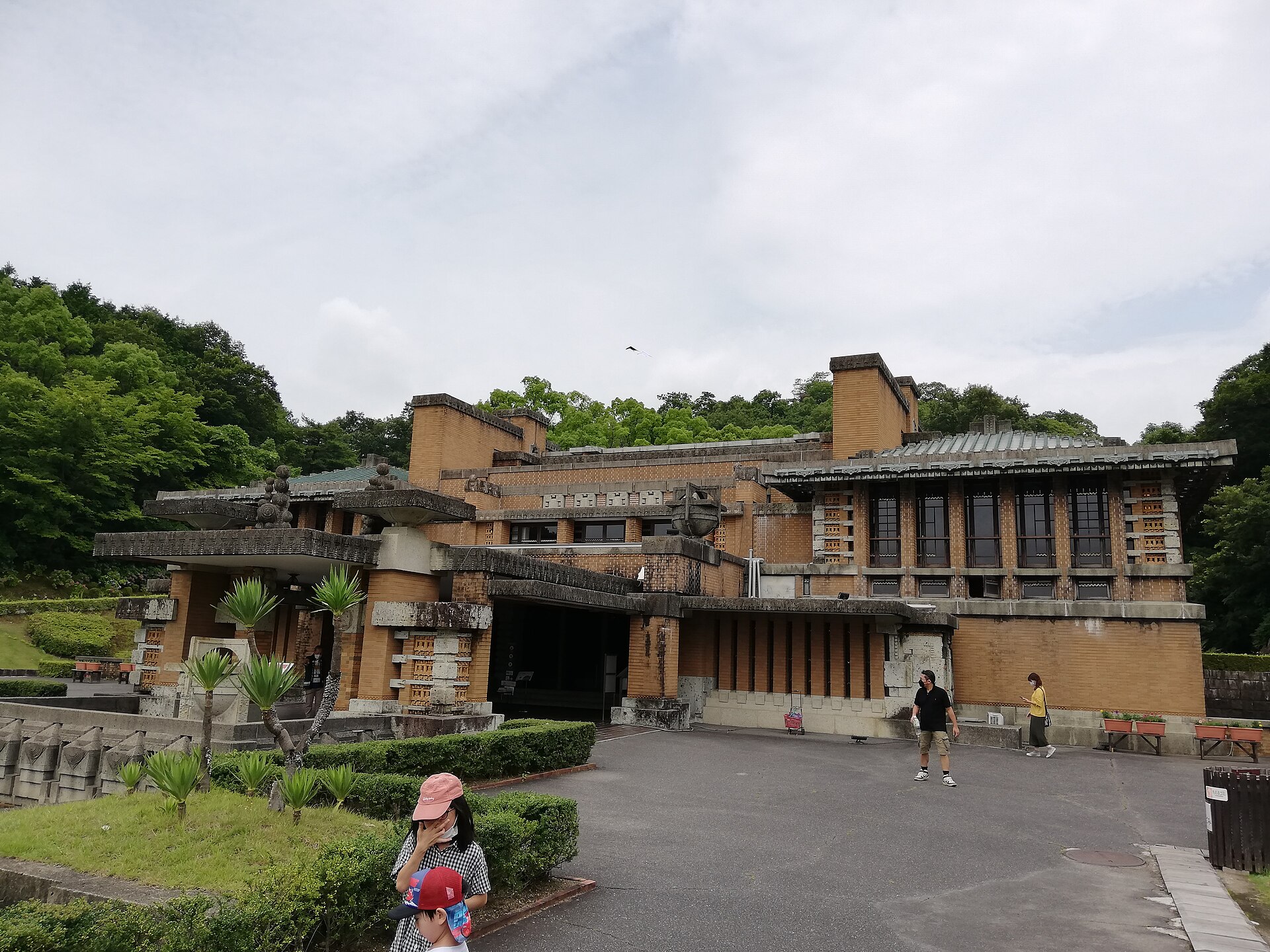
Hoshinoya has converted a redbrick Meiji-era prison into a 48-room luxury hotel — an unusual project even by the standards of an operator known for unusual ones.
The building
Meiji-period redbrick architecture occupies a specific place in Japanese building history. It arrived with the rapid Westernisation of the late nineteenth century, when Japan imported European construction methods wholesale, and much of what survives is institutional: factories, warehouses, government buildings and prisons.
These structures are increasingly protected and increasingly difficult to use. They are solidly built, architecturally significant, and almost entirely unsuited to modern purposes without substantial intervention.
The alternative to an unconventional reuse is usually demolition. A protected building with no viable function is a building waiting for a decision.
The obvious question
Prison conversions are not new — there are well-known examples in Europe and Australia — but they always raise the same discomfort. The building's history is not neutral, and a hotel is an unusually leisurely thing to put inside it.
The handling of that history is what separates a thoughtful conversion from a tasteless one. The approach that works acknowledges what the building was, treats it as a matter of historical record rather than a theme, and resists the temptation to make the architecture a novelty. The approach that fails turns confinement into a design gimmick.
Why 48 rooms is the interesting number
A prison of this era would have held a great many more people than 48. The room count tells you how much demolition of internal structure the conversion required, and it indicates rooms assembled from multiple original cells rather than cells converted individually.
That is the technically demanding part of any heritage conversion: creating usable modern spaces without destroying the structure that made the building worth preserving.
The operator's pattern
Hoshinoya has built its identity on properties that are strongly rooted in a particular place — each one designed around its site rather than to a house template. A converted institutional building fits that approach, in that the building dictates the hotel rather than the reverse.
For travellers
What to expect
Heritage conversions trade some conventional comfort for architectural interest. Thick walls, unusual room geometry and windows that cannot be altered are part of the proposition.
Booking
Forty-eight rooms is small, and the novelty of the concept will keep occupancy high. This is a property to book well ahead of a trip rather than during one.
The wider context
Japan has a growing stock of protected buildings and a shrinking population in many of the regions where they stand. Adaptive reuse of this kind is likely to become considerably more common.