Frontier's $199 unlimited flight pass enters its final weeks
The airline's all-you-can-fly summer pass covers more than 100 destinations for a flat $199, but the flying window closes on 30 September.
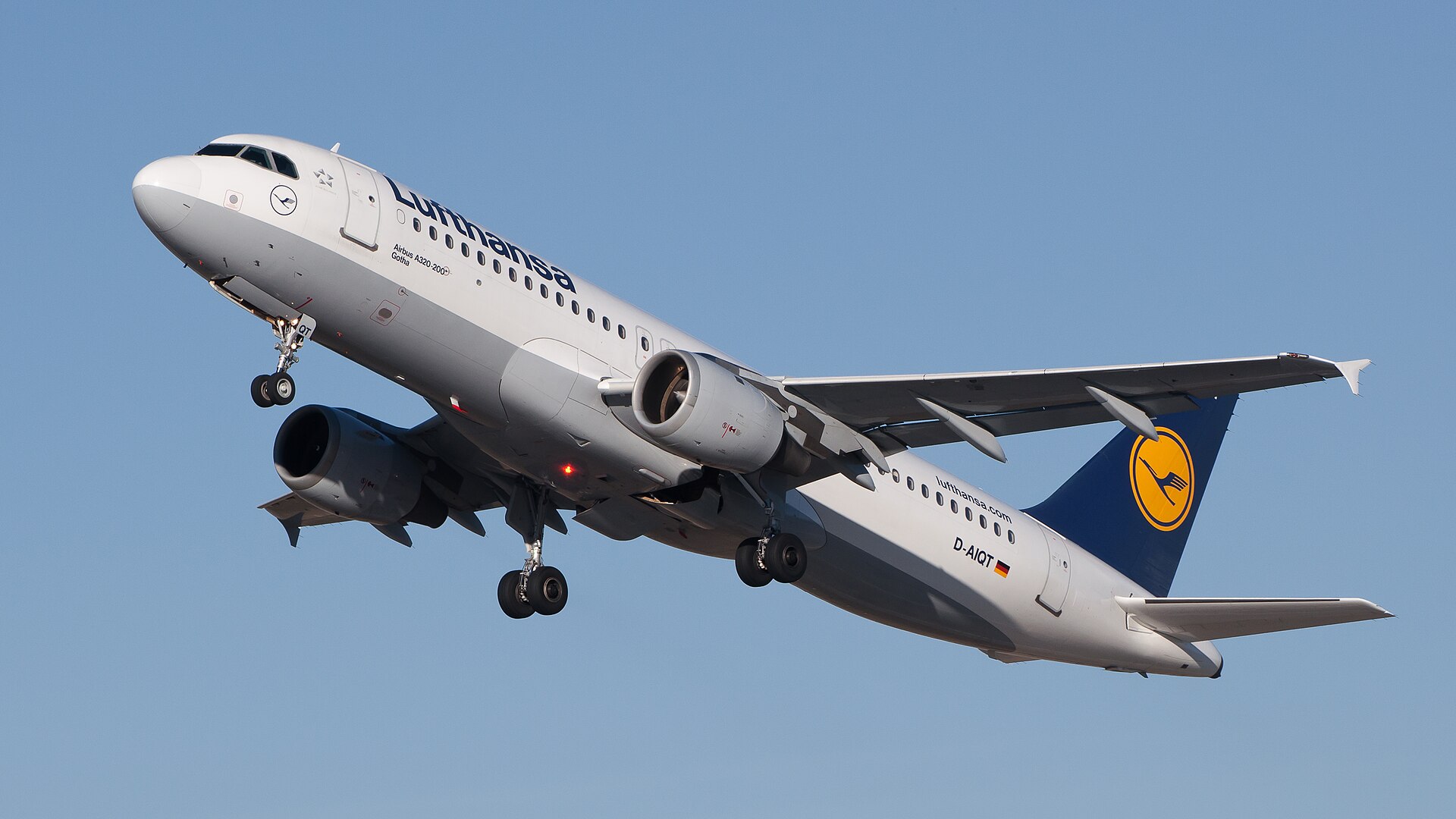
Frontier Airlines' all-you-can-fly summer pass is now inside its final month. The $199 flat fee buys unlimited flights across a network of more than 100 destinations, and the flying window closes on 30 September 2026.
For anyone still holding a pass, the remaining weeks are the point at which it either pays for itself or does not. For anyone considering buying in now, the maths has narrowed considerably.
How the pass works
The headline number is the fare. It is not the total cost of flying. Passholders still pay:
- Taxes and government fees on every segment, charged at booking.
- Bags, including carry-on, which on this carrier is a paid item on most fares.
- Seat assignments, if you want one that is not randomly allocated.
None of those are large individually. Across a dozen segments they add up to real money, and they are the reason the pass is best understood as a deep fare discount rather than genuinely free flying.
The booking restriction that defines it
The constraint that shapes the entire product is the booking window. Passholders cannot book far ahead; seats open to them only close to departure, and only where the flight has not sold. That is the mechanism that protects the airline's revenue — the pass fills seats that were going to fly empty, and never displaces a paying passenger.
The pass does not buy you a flight. It buys you the right to take a seat nobody else bought, at short notice.
The practical consequence is that the pass suits a particular kind of traveller and frustrates everyone else. It rewards people with flexible schedules, no fixed destination in mind, and a tolerance for finding out where they are going a few days before they leave.
Whether it still pays
With under a month of flying left, the break-even calculation is simple: the pass is worth buying now only if you expect to take at least two or three segments before the end of September on routes where the cash fare would have exceeded the fee plus the per-segment charges.
For a passholder who bought in earlier, the advice runs the other way. Any segment flown in September is close to pure marginal value — the fee is already sunk, and the only remaining cost is taxes and ancillaries.
What comes next
Unlimited-flight passes have become a recurring feature of the ultra-low-cost playbook, and they tend to return in some form each season with adjusted pricing and blackout rules. Travellers who found this one useful should expect a successor product rather than a permanent offer, and should read the booking window terms carefully each time, because that is the clause that changes most between versions.