Around 50 new airline routes launch this month
September's route launches show carriers moving past network restoration and into genuinely new markets, with Gulf and Asian expansion leading the schedule.
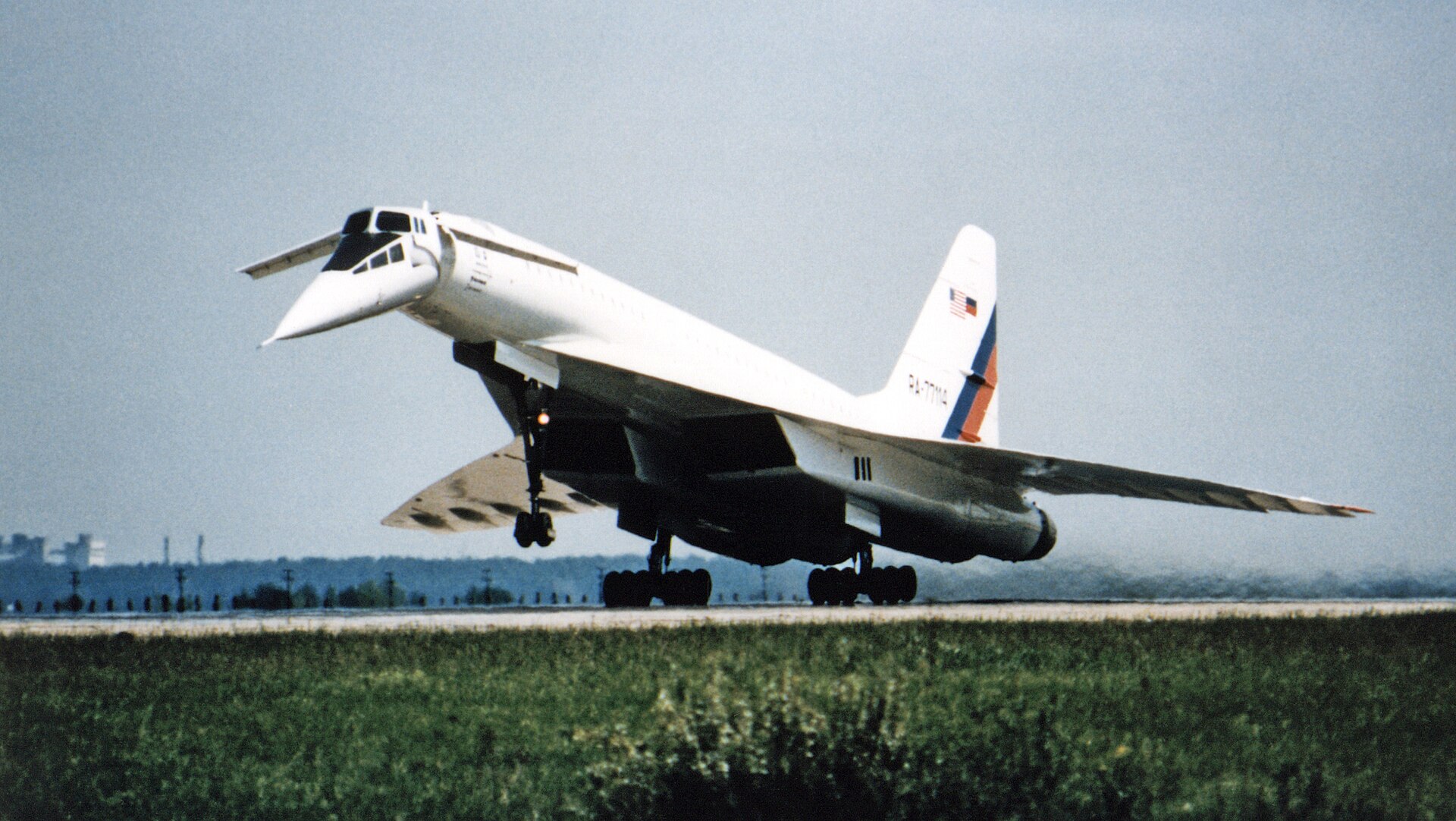
Roughly 50 new airline routes begin service during September, and the composition of the list says more than the number does.
For several years, route announcements were dominated by restoration — carriers reinstating flying they had suspended and then withdrawn. That phase has largely ended. This month's schedule is weighted towards markets airlines have not served before.
Where the growth is
The Gulf carriers
Saudi Arabia's newest long-haul operator is adding three destinations inside a single month, connecting Riyadh to Southeast Asia, the Philippines and northern England. That pace of network construction is only possible with a large aircraft order and a state-backed mandate to build connecting traffic.
Asia-Pacific reconnection
Several routes returning this month were suspended in early 2020 and never reinstated. A daily Guangzhou–Delhi service resuming on 21 September is the most notable, restoring a link between two of the world's largest aviation markets after more than six years.
Secondary city pairs
The quieter trend is airlines bypassing hubs. Rather than routing a passenger through a mega-hub, carriers are increasingly willing to fly a smaller aircraft directly between two secondary cities — a shift enabled by long-range narrowbodies with economics that would not have supported the route a decade ago.
Network restoration is a defensive exercise. Launching into markets nobody has served is an offensive one, and it is a reasonable signal of how confident airlines feel about demand.
What it means for fares
New routes are usually cheap at launch and expensive later. Airlines price introductory fares below the sustainable level to build awareness and fill an aircraft on a route with no established booking curve.
The window is genuine but short — typically the first few months of operation. It closes once the route has a load factor history the revenue management system can work with.
The risk on the other side
Not all of these routes will survive their first year. New services are the most vulnerable part of any network, and a route that underperforms through its first winter is a straightforward candidate for withdrawal.
- Book a launch route with flexibility if the trip is far out.
- Be cautious about building a tight connection onto a brand-new service.
- Check whether the route is year-round or seasonal — many launches are seasonal and the distinction is easy to miss.
The underlying shift
Airlines spent the recovery period rebuilding what they had. They are now building something different: thinner routes, more direct city pairs, and networks that route around hubs rather than through them. September's schedule is a reasonably good snapshot of that transition.