Eurostar becomes SkyTeam's first non-airline member
The rail operator has signed a memorandum to join SkyTeam, opening the way to combined air and rail journeys across the UK, France and the Netherlands.
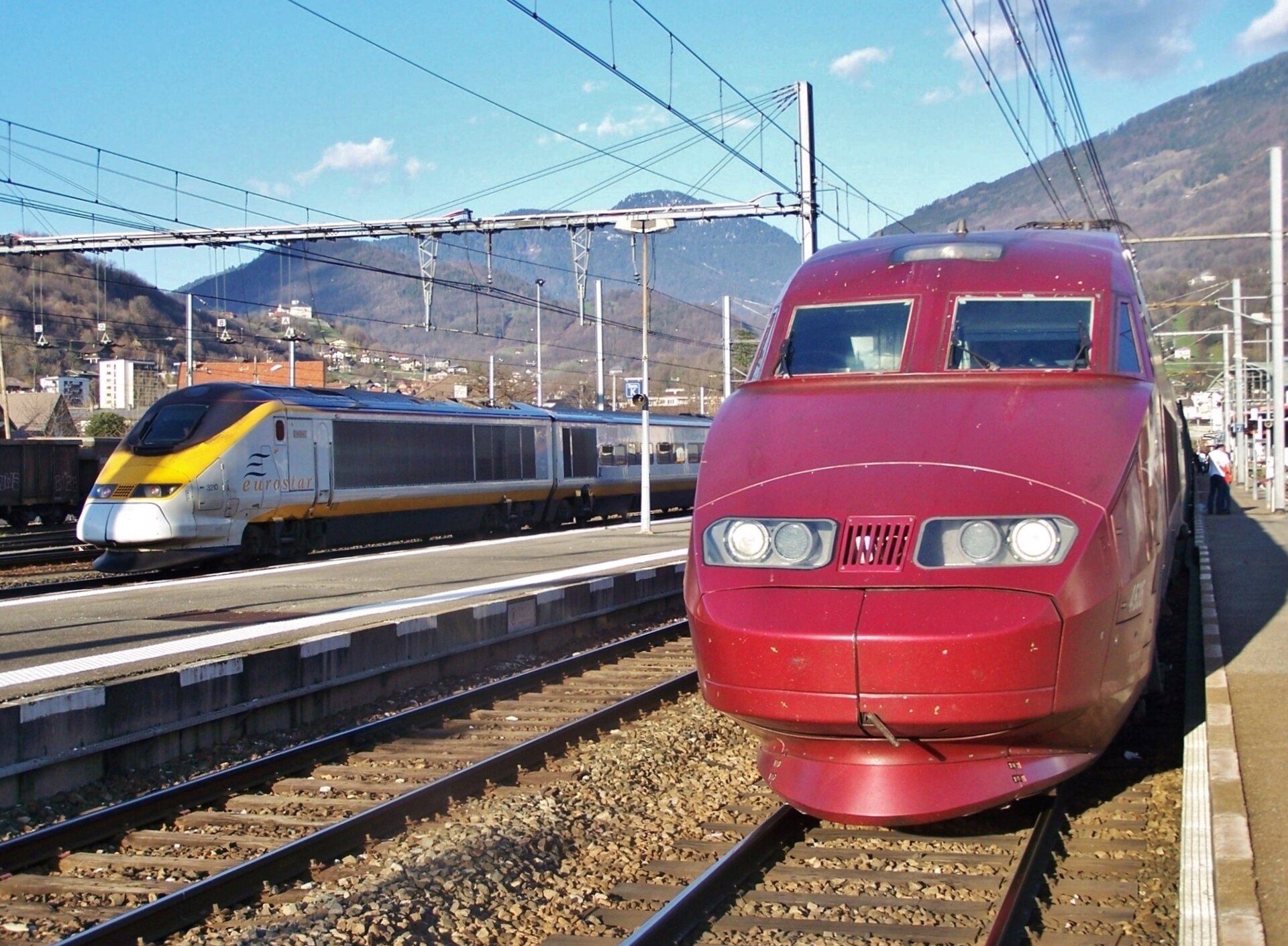
Eurostar has signed a memorandum of understanding to join SkyTeam, becoming the alliance's first non-airline partner.
The stated aim is combined air–rail travel across the United Kingdom, France and the Netherlands — journeys that begin on a train and end on a plane, or the reverse, sold and protected as a single trip.
Why this is harder than it sounds
Air–rail integration has been attempted repeatedly and has mostly produced disappointing results, because the two industries are built on incompatible foundations.
- Ticketing. Airlines sell an itinerary; railways sell a journey on a service. The systems do not naturally exchange information.
- Baggage. Through-checking a bag from a train onto a plane requires physical infrastructure at the interchange that mostly does not exist.
- Disruption. This is the real obstacle. If the train is late and you miss the flight, who owns the problem? Without a clear answer, the connection is not a connection — it is two separate bookings the passenger has to gamble on.
Alliance membership matters precisely because it is the framework that answers the disruption question. That is the difference between a marketing partnership and a genuine through-journey.
What passengers might actually get
Protected connections
The most valuable outcome would be a rail leg that carries the same protection as a connecting flight — rebooking at the operator's cost when a delay causes a missed connection.
Single-ticket booking
Buying a Brussels-to-New-York journey with a train to Amsterdam and a flight onwards, in one transaction, at one price.
Loyalty earning
Earning and redeeming alliance miles on a rail segment. Pleasant, but the least consequential of the three.
The environmental argument
Short-haul feeder flights into major hubs are among the least efficient flying in the network — a high proportion of the fuel burn happens in climb and descent, so a 250-mile flight is disproportionately costly per passenger-mile. Replacing them with rail on routes where rail is genuinely competitive is the clearest available emissions reduction in European aviation.
The constraint has always been that it only works where the rail journey is fast enough and the interchange is smooth enough. Between London, Paris, Brussels and Amsterdam, both conditions are close to met.
The realistic timeline
A memorandum of understanding is a statement of intent, not a product. The systems integration behind through-ticketing and protected connections is substantial work. Expect the loyalty and marketing elements first, and the operationally meaningful parts considerably later.