Europe's biometric border system completes its rollout this month
The EU's Entry/Exit System finishes its phased deployment in September, replacing passport stamps with fingerprints and facial scans at Schengen borders.
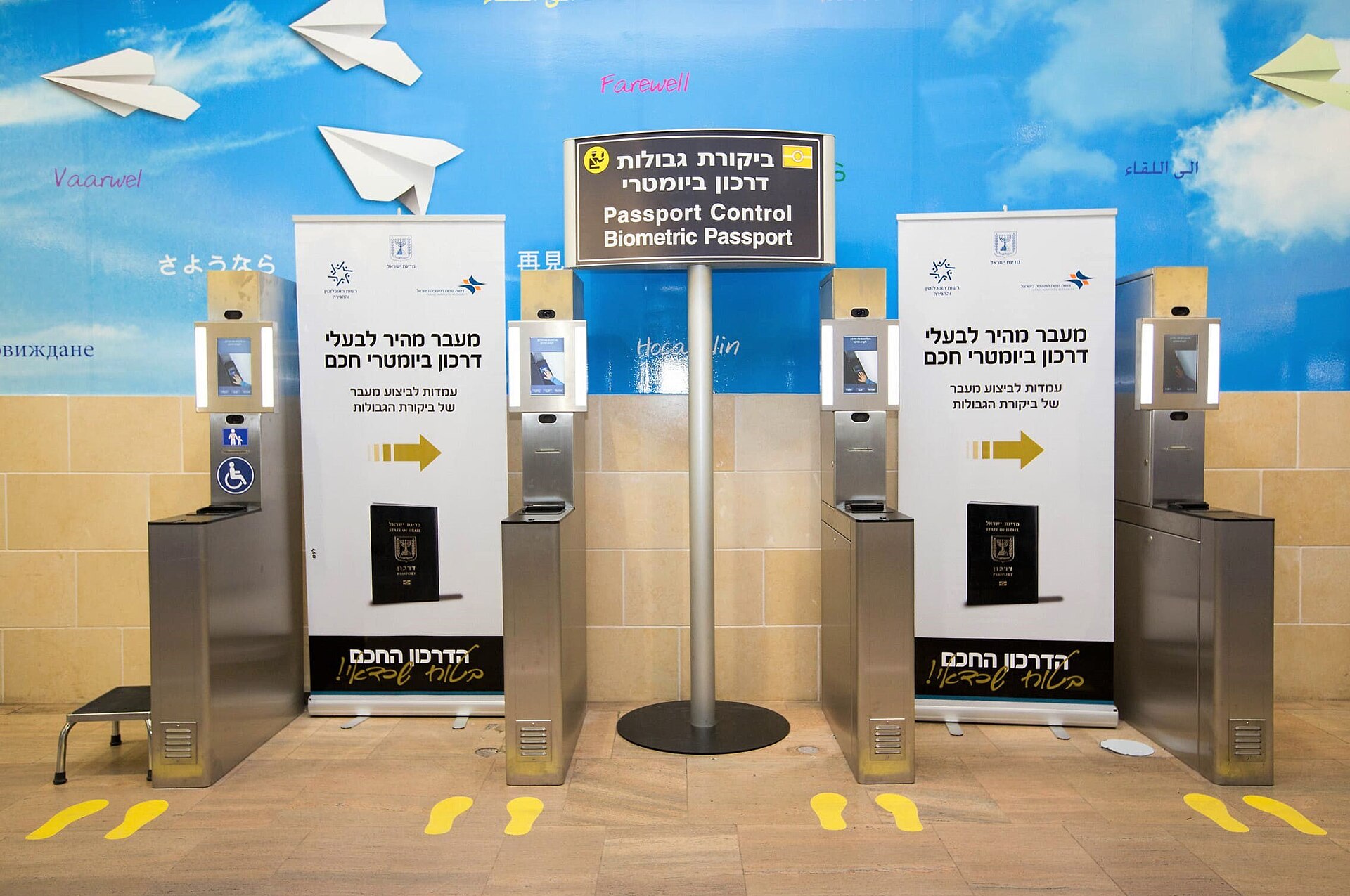
The European Union's Entry/Exit System reaches the end of its phased rollout this month, closing a deployment that began at Schengen border posts in October 2025.
From here, non-EU travellers crossing an external Schengen border are registered electronically rather than stamped. The record captures passport data, fingerprints and a facial image.
What changes at the border
The ink stamp is gone. In its place is a database entry recording each entry and exit, held centrally and readable at any crossing point in the zone.
The first crossing after registration is the slow one. Enrolment requires capturing biometrics, which takes longer than a stamp and is the reason major airports have been reporting extended queues during the rollout period. Subsequent crossings are faster, because the system is verifying against a record that already exists rather than creating one.
The 90-day rule becomes automatic
The substantive change is not the queue. It is enforcement.
Under stamping, counting a visitor's days was a manual exercise performed by an officer reading a passport. Under EES, the count is calculated by the system and presented to the officer before the conversation starts.
Visitors who have been running close to the 90-days-in-180 Schengen limit, or relying on inconsistent stamping across different crossing points, should assume the arithmetic is now exact. Overstays that previously went unnoticed will not.
Who is affected
- Non-EU nationals crossing an external Schengen border for a short stay.
- Both visa-exempt travellers and those holding a short-stay visa.
- Residence permit holders and long-stay visa holders are handled separately and are outside the scheme.
Practical advice for the next few months
Build in time
Allow more time than usual for arrival formalities on your first post-rollout crossing, particularly at a large hub during a peak departure bank. The variability between crossing points is still considerable.
Keep your own record
Until travellers have a reliable way to query their own entry and exit history, the safest practice is to keep a personal log of Schengen days. If a discrepancy arises, being able to show your own dates is worth a great deal.
Expect it to pair with ETIAS
EES records who crossed. ETIAS, launching later this year, screens them before they travel. The two are designed to work together, and travellers will encounter both.
The infrastructure is a significant piece of work, and the transition period has been uneven. The direction, though, is settled: Europe's external border is now a digital one.