A Slower Side of Kyoto: Travel Tips, Flights, and Scenic Day Trips
Explore a quieter side of Kyoto with practical travel tips, flight planning advice, peaceful temples, historic neighborhoods, scenic day trips, and ideas for making the most of your visit.
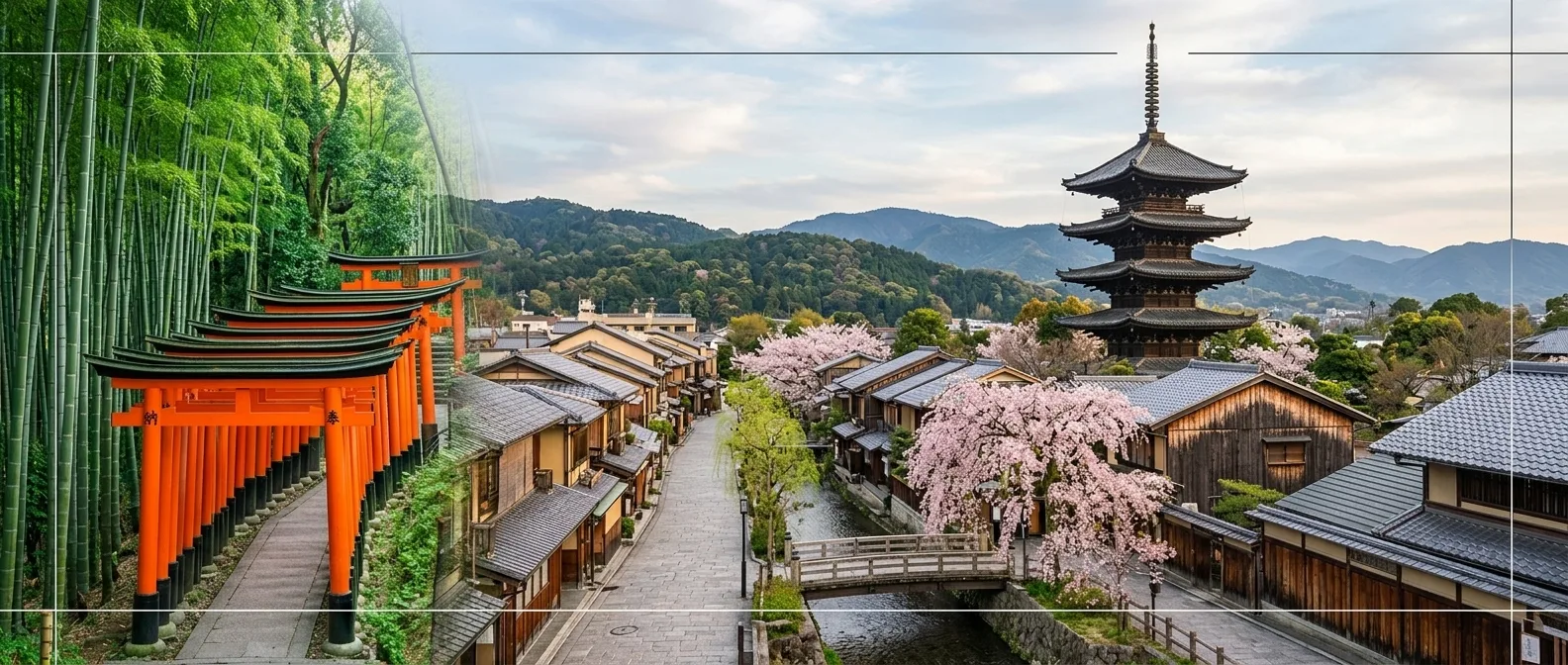
Kyoto is one of Japan’s most popular destinations, known for historic temples, traditional neighborhoods, seasonal scenery, and distinctive food. But seeing the city well requires more than checking off its most famous attractions.
For travelers planning a trip to Kyoto, the right timing, airport choice, local transportation, and daily itinerary can make the experience much easier. Here’s how to explore Kyoto at a comfortable pace while making the most of your time in the city.
Planning Your Flight to Kyoto
Kyoto does not have its own major international airport, so most international travelers arrive through either Kansai International Airport (KIX) near Osaka or, for some domestic routes, Osaka Itami Airport (ITM).
Kansai International Airport is the main gateway for international visitors. From the airport, travelers can continue to Kyoto by train, airport limousine bus, or other transportation services.
The JR Haruka limited express is one of the most convenient rail options for reaching Kyoto Station from Kansai International Airport. The journey takes roughly 75 minutes, depending on the service, making it a practical choice after a long international flight.
When comparing flights, don't look only at the airfare. Consider arrival time, luggage allowances, airport transfers, and the amount of time required to reach your hotel. A flight that arrives late at night may appear cheaper but could make your first day considerably more complicated.
If you're flying domestically within Japan, check both Kansai International Airport and Osaka Itami Airport when planning your route. Itami is closer to central Osaka, while KIX handles the majority of international flights.
Start Early at Fushimi Inari Taisha
Fushimi Inari Taisha is one of Kyoto's most recognizable sights, famous for its thousands of vermilion torii gates winding through the wooded slopes of Mount Inari.
It is also one of the city's busiest attractions.
Arriving early in the morning is one of the simplest ways to enjoy it with fewer crowds. The shrine grounds are open around the clock, so early risers can visit before the main sightseeing rush begins.
Many visitors walk through the first section of torii gates and return, but the path continues up Mount Inari. If you have the time and energy, walking farther up the mountain can provide a quieter experience away from the busiest entrance area.
Wear comfortable shoes and bring water, particularly if you plan to complete a longer section of the mountain trail.
Fushimi Inari is also conveniently located near Inari Station, making it relatively easy to include in a Kyoto itinerary without spending too much time traveling across the city.
Explore Gion and Kyoto's Historic Streets
Gion is one of Kyoto's best-known districts, with traditional wooden buildings, tea houses, restaurants, and narrow historic streets.
Hanamikoji Street and the area around Yasaka Shrine can become particularly busy during the day. Visiting earlier in the morning or later in the evening can provide a more relaxed experience.
From Gion, you can continue toward Ninenzaka and Sannenzaka, two picturesque streets leading toward Kiyomizu-dera. These streets are lined with traditional shops selling souvenirs, sweets, tea, ceramics, and other local products.
Because this is also a residential area, visitors should be respectful. Avoid blocking narrow streets, entering private properties, or photographing residents without permission.
If you're interested in photography, early morning is especially worthwhile. The streets can feel completely different before the main tourist crowds arrive.
Visit Nanzen-ji and Walk the Philosopher's Path
Nanzen-ji offers a quieter alternative to some of Kyoto's more crowded attractions.
The temple complex is located in eastern Kyoto and is known for its traditional architecture, gardens, and distinctive brick aqueduct. It can easily be combined with a walk along the Philosopher's Path, which follows a canal through the Higashiyama area.
The Philosopher's Path is particularly popular during cherry blossom season, but it is enjoyable throughout the year. Autumn brings colorful foliage, while winter can offer a much quieter atmosphere.
Rather than rushing from one major attraction to another, allow several hours for this part of Kyoto. Smaller temples, cafés, gardens, and shops along the route can make the journey just as enjoyable as the main landmarks.
Spend Half a Day in Arashiyama
Arashiyama is located on the western side of Kyoto and is best known for its bamboo grove, temples, river scenery, and mountain backdrop.
The bamboo grove can become extremely crowded in the middle of the day, so arriving early is recommended. Once you've visited the grove, continue to Tenryu-ji Temple and its gardens before walking toward the Katsura River and Togetsukyo Bridge.
If you have additional time, Okochi Sanso Garden offers another scenic stop with views across the surrounding mountains.
Don't try to combine Arashiyama with several distant attractions on the same morning. The area deserves at least half a day, particularly if you want time to walk, eat, shop, and explore rather than simply photograph the bamboo.
Take a Day Trip to Uji
Uji is an easy day trip from Kyoto and is particularly appealing to travelers interested in Japanese tea culture.
The town is famous for its matcha, with numerous tea shops and cafés offering matcha drinks, desserts, and traditional sweets.
Byodo-in Temple is the area's most famous attraction. Its Phoenix Hall is one of Japan's most recognizable historic structures and is also featured on the country's ¥10 coin.
Uji is relatively compact and easy to explore on foot, making it a good option when you want a break from Kyoto's busiest sightseeing areas.
If you're planning to visit during a busy travel period, check train schedules and attraction opening times before leaving Kyoto. A little preparation can help you avoid losing time waiting for transportation.
Escape to Kurama and Kibune
For travelers who want to experience a more rural side of Kyoto, the mountain villages of Kurama and Kibune provide a very different atmosphere.
Kurama is home to Kurama-dera Temple, which sits partway up a forested mountainside. Reaching the temple involves an uphill walk, so this is better suited to travelers who are comfortable with hiking.
Kibune, meanwhile, is known for Kibune Shrine and its restaurants along the river. During the warmer months, some restaurants offer kawadoko dining platforms above the flowing water.
Because these areas are farther from central Kyoto, allow most of a day rather than trying to squeeze them into a short sightseeing window.
The mountain setting is particularly attractive in warmer months and during autumn, when the surrounding forests take on seasonal color.
Where to Eat During Your Kyoto Trip
Food is a major part of the Kyoto experience, but you don't need to spend your entire holiday searching for restaurants with long online queues.
Instead, explore restaurants in the neighborhoods you're already visiting. Kyoto is known for dishes and ingredients including yudofu, obanzai, soba, udon, seasonal vegetables, matcha sweets, and traditional wagashi.
If you have a particular restaurant you want to visit, check whether reservations are required before your trip. Popular restaurants can fill their tables quickly during busy travel periods.
For more spontaneous meals, smaller neighborhood restaurants can be a better option. They may not have the same online visibility as famous tourist spots, but they can provide a more relaxed introduction to everyday Kyoto dining.
Getting Around Kyoto
Kyoto's public transportation system makes it possible to reach most major attractions without renting a car.
Trains and subways are often the most efficient choice for longer journeys, while buses can be useful for destinations that are farther from railway stations. However, buses can become very crowded during peak tourist periods, particularly around major sightseeing areas.
Planning your itinerary by neighborhood can save considerable travel time.
For example, combine Fushimi Inari with southern Kyoto attractions rather than crossing the entire city afterward. Explore Gion, Kiyomizu-dera, and the Higashiyama area together, and dedicate a separate half or full day to Arashiyama.
Walking is another excellent way to experience Kyoto, but expect to cover a lot of ground. Comfortable shoes are essential.
Choosing Where to Stay in Kyoto
Where you stay can have a major effect on how much time you spend traveling.
Kyoto Station is a practical choice for travelers who plan to take day trips or arrive from Kansai International Airport by train. It also provides convenient access to several parts of the city.
The Gion and Higashiyama areas are better suited to travelers who want to stay close to traditional streets, temples, restaurants, and evening sightseeing.
Downtown Kyoto around Kawaramachi and Shijo is another convenient option, particularly for visitors interested in shopping, dining, and nightlife.
Before booking a hotel, look beyond the room itself. Check the nearest train or subway station, the walking distance, luggage storage options, and how easy it will be to reach the airport or train station when you leave.
How to Plan a Relaxed Kyoto Itinerary
Trying to see every famous attraction in two or three days can quickly turn a holiday into a transportation marathon.
A better approach is to group attractions geographically and leave some free time in each day.
For example, one day could focus on Fushimi Inari and southern Kyoto, another could cover Gion and Higashiyama, while a separate day could be reserved for Arashiyama. Uji or Kurama and Kibune can then be added as day trips if your schedule allows.
Try to visit the most popular attractions early in the day. After the main sightseeing rush begins, move toward quieter neighborhoods, restaurants, gardens, or smaller temples.
This approach also gives you more flexibility if your flight arrives late, the weather changes, or you simply discover somewhere you want to spend more time.
The Best Time to Visit Kyoto
Kyoto is a year-round destination, but each season offers a different experience.
Spring is famous for cherry blossoms, particularly around the Philosopher's Path and other temple gardens. It is also one of the busiest periods for tourism, so flights and accommodation can become expensive.
Autumn is another popular season because of the colorful foliage around Kyoto's temples and mountain areas. Again, expect larger crowds and higher demand.
Summer is hot and humid but can offer a different experience, while winter tends to be quieter. Snow is not guaranteed in the city, but when it does fall, Kyoto's temples and gardens can become particularly scenic.
If your priority is avoiding crowds and keeping travel costs more manageable, consider visiting outside the most popular cherry blossom and autumn foliage periods.
Making the Most of Your Kyoto Holiday
Kyoto is a destination where planning helps, but overplanning can work against you.
Choose a few experiences that matter most, organize them by location, and leave room for slower mornings, local restaurants, quiet streets, and unexpected discoveries.
For international travelers, choosing the right flight into Kansai, planning your airport transfer, and staying somewhere with convenient transportation can make the beginning and end of the trip much smoother.
Once you're in Kyoto, don't feel pressured to see everything. The city is best appreciated at walking pace, whether you're exploring a historic neighborhood, stopping for matcha, wandering through a temple garden, or taking a train into the surrounding mountains.
A well-planned Kyoto holiday isn't necessarily about fitting more attractions into each day. It's about making the journey between them easier, giving yourself enough time to explore, and leaving Japan with more than a collection of rushed photographs.