







Nineteen years after my first visit I went back to Ko Lipe, the tiny Thai island I once thought of as a hidden paradise. In 2006 it felt far off the beaten path: patchy electricity, cheap beachfront bungalows, slow days spent snorkeling, reading and lingering at beach bars. It was a place where time moved easy and people stayed because it felt timeless.
I avoided returning for years because I didn’t want to chase a memory. I worried a revisit would be an attempt to recapture something that no longer existed. But on a recent trip down Thailand’s Andaman coast, Ko Lipe fit my itinerary and offered a convenient boat onward, so I went.
What I found was heartbreaking. The island has followed the Ko Phi Phi blueprint and been heavily overbuilt. Dirt paths are now poured concrete to handle trucks and cars. Palm groves have been cleared to make room for upscale resorts with pools on an island that has no natural freshwater source. Construction cranes and ongoing building are everywhere. The reef is suffering—constant boat traffic, anchors, pollution and overfishing are taking a visible toll on the coral. Beaches are crowded with longtail boats whose exhaust leaves an oily sheen on the water. And increasingly the food scene is skewing toward familiar Western options rather than showcasing local Thai cooks and ingredients.
That boom has also displaced islanders. Many sold land to mainland developers; much of the labor force now comes from the mainland and sees little of the island’s rising revenues. Economic gains are uneven while environmental and cultural losses are immediate and visible.
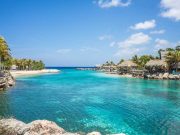
I met travelers who were enchanted—and it’s easy to see why a first-timer falls in love: turquoise water, white sand, and access to quieter neighboring islands inside a national park make for postcard-perfect scenes. Compared to Phuket or Krabi it still feels less calamitously developed, so newcomers can be easily impressed.
Still, knowing what I know now, I think people should skip Ko Lipe. I’m not against growth, I’m against unmanaged, unsustainable growth that strains limited resources. There are nearby islands that are better managed—Ko Lanta, Ko Jum, Ko Mook among them—and choosing those alternatives helps protect places already buckling under tourism.
Consumer choices matter: when travelers stopped riding elephants and began favoring eco-conscious lodges, the industry changed. Maybe if enough visitors stop coming to Ko Lipe, that pressure will prompt better stewardship. I’m skeptical, but hopeful.
For now, if you care about responsible travel, don’t go. At least by not going you aren’t contributing to the problem—sometimes stewardship means saying enough is enough. Choose somewhere better managed; your choices have an impact.