



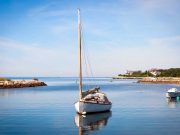




I went back to Ko Lipe after 19 years, the little Thai island where I’d once spent nearly a month in 2006. Back then it felt untouched: limited electricity, cheap beach bungalows, one beach bar, and long, slow days snorkeling, reading and drifting into island life. It was easy to get stuck there — I made friends, learned Thai, and fell in love with the simple backpacker rhythm.
I avoided returning for years because I didn’t want to ruin that memory. I assumed development would change everything, and I was afraid the place that shaped me would be gone. Still, my route through southern Thailand and a desire for a lively New Year’s Eve drew me back.
What I found was familiar scenery but a different story. Ko Lipe has followed the Ko Phi Phi model: concrete now replaces many dirt paths, palm groves have given way to high-end resorts with pools (on an island without a natural freshwater source), and building continues nonstop. Boats line the beaches; their exhaust and anchors are damaging coral and polluting the water. Restaurants are increasingly aimed at tourists, serving mediocre Western food rather than standout Thai dishes. Much of the local workforce now comes from the mainland, and many original residents have sold their land to developers and left. The boom has enriched a few but displaced many.
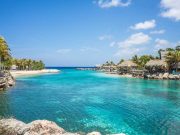
From postcard distance it still looks perfect — white sand, blue water, and nearby park islands — and first-time visitors will understandably be impressed. Compared to Phuket or Krabi it feels less built-up, and that initial “wow” is easy to achieve. But a closer look reveals an island straining against limited resources and an environment being pushed past its limits.
I’m not against tourism or growth in principle. My objection is to unmanaged, extractive growth that prioritizes short-term profit over long-term sustainability and community wellbeing. Tourism choices have power: when travelers stopped supporting elephant rides, those attractions diminished; when demand for eco-friendly stays rose, eco-lodges multiplied. If enough people choose differently, destinations change.
So my recommendation is simple: skip Ko Lipe for now. There are nearby islands that are better managed and where your visit will do less harm — places like Ko Lanta, Ko Jum and Ko Mook. By not going to Ko Lipe you at least stop adding pressure while the island deals with the consequences of rapid development.
It hurts to say because Ko Lipe meant so much to me, but sometimes responsible travel means acknowledging when enough is enough. Maybe enough people deciding not to visit will push change. I’m not confident, but I hope so. Your travel choices matter — choose places that need you, not places that are already being loved to death.