







I went back to Ko Lipe after almost two decades because a corner of my memory was insisting it still existed: a tiny island that once felt quietly off the beaten path. In the mid-2000s it was simple — few travelers, limited electricity, cheap beachfront bungalows, long days of snorkeling and slow, early nights at a single beach bar. It shaped how I think about travel, so I avoided returning for years to keep that memory intact. This winter I decided to see it again, partly because it fit my route and partly because I wanted to spend New Year’s Eve there.
What I found was heartbreaking. Ko Lipe has been reshaped by rapid, unmanaged tourism growth in the mold of Ko Phi Phi: dirt paths paved for construction trucks, palm groves replaced by resorts offering private pools on an island with virtually no natural freshwater, and construction happening everywhere. The marine life is suffering — coral damaged by boats, anchors and pollution, fisheries depleted by overfishing. Beaches are crowded with longtail boats whose exhaust leaves a sheen on the water. Eateries increasingly cater to a tourist palate with generic Western menus rather than showcasing local Thai food.
Development has also displaced many locals who sold land to mainland developers. A large share of the workforce now comes from the mainland and little of the tourism income seems to benefit the island community. This isn’t just change; it’s growth that wasn’t planned to protect people or the environment.
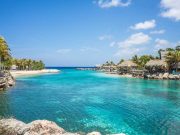
If you’ve never been, I get why Ko Lipe might still appeal: the bay can look postcard-perfect, the water bright blue, the sand soft, and day trips to nearby national park islands remain attractive. Compared with Phuket or Krabi it’s still quieter in spots, and a first-time visitor might leave impressed. But knowing what the place once was makes it hard to overlook the cost of the current boom.
I’m not saying development is inherently bad. Communities need opportunity. But unmanaged expansion that sacrifices ecosystems and pushes locals out is not the only path. Every visitor adds pressure to limited resources; once reefs are gone and groundwater is compromised, it’s almost impossible to reverse the damage. You can’t ask locals to remain poor forever to preserve someone else’s nostalgic vision.
So I’m recommending the same thing I did about Ko Phi Phi: skip Ko Lipe for now. Consider nearby islands that are better managed — Ko Lanta, Ko Jum, Ko Mook — or other places where tourism benefits the community and ecosystems are treated as assets, not obstacles. Traveler choices do matter: harmful practices change when demand drops or when people insist on better options. We’ve seen this with elephant tourism and with the rise of eco-conscious lodges.
Maybe if enough people decide not to go, Ko Lipe will have a chance to recover. I’m not optimistic, but I remain hopeful. At minimum, choosing other destinations means you’re not contributing to the problem. Be deliberate about where you spend your time and money — those decisions shape the future of the places you love.