







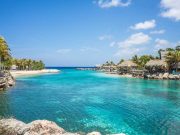

I went back to Ko Lipe after 19 years — the tiny Thai island where I spent nearly a month in 2006. Back then it felt remote and simple: limited electricity, dirt paths, budget bungalows on the sand, one beach bar, and long days spent snorkeling, reading, and doing very little. It was easy to get stuck there, and for me it became one of those travel memories you’re afraid to revisit.
I avoided returning for years because I didn’t want to ruin that memory. Still, on a recent trip along Thailand’s Indian Ocean coast it made sense to stop at Ko Lipe — and I wanted somewhere lively for New Year’s. What I found was heartbreaking. The island has followed the Ko Phi Phi playbook: dirt paths are now concrete to take cars and construction trucks; palm groves have been cleared for high-end resorts with pools (on an island with no natural fresh water); and building continues aggressively.
The environmental damage is obvious. Coral is suffering from too many boats, anchors, pollution, and overfishing. Beaches are crowded with longtail boats whose exhaust leaves a film on the water. The food scene favors tourists, with more mediocre Western options than great local cuisine. And the human cost is real: many locals sold land to mainland developers, and much of the island’s workforce now comes from the mainland, so the economic benefits don’t reach the community that lived there first.
This is another example of Thailand’s unsustainable, build-first tourism model that strains limited island resources. You can still understand why newcomers fall in love — the water is still blue, the sand still white, and there’s access to national-park islands that look like postcards. Compared to big resorts in Krabi or Phuket it can still feel less developed, and first-timers can be wowed.
But the trajectory matters. Unmanaged growth degrades what brought people here in the first place, and every visitor adds pressure. You can’t easily reverse development, and locals won’t choose to stay poor so tourists can have an idealized version of the place. Responsible travel sometimes means saying enough is enough.
There are nearby islands that are better managed — Ko Lanta, Ko Jum, and Ko Mook among them — where your tourism dollars are less likely to accelerate destructive development. Consumer choices have shifted behavior before: elephant rides fell out of favor, demand spawned eco-lodges, and overtourism is now on the public agenda.
Maybe if enough people stop visiting, Ko Lipe will change. I’m skeptical, but it’s a hope worth holding. At minimum, skipping Ko Lipe means you won’t be contributing to its decline. Choose better-managed places instead — your choices do have an impact.