



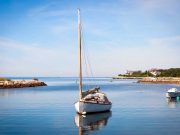


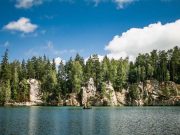

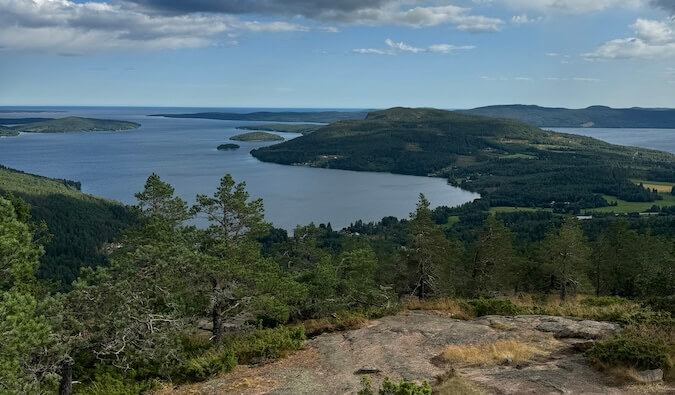
Summer in Sweden is a special season: long, luminous days, island-studded waters, and streets and parks full of people soaking up the sun. If you want to explore a less-touristy coastal route, start in Luleå at the top and drive or take the train south toward Uppsala. This 10-day plan balances easy city stops with wild beaches, scenic hikes, and cultural highlights.
Day 1–2 — Luleå
Luleå is a compact city of about 80,000 and the last sizeable settlement before Lapland. The city itself is quick to explore, but the surrounding landscape is the reason to visit: forests, lakes, and an archipelago of over 1,300 islands.
Highlights
– Archipelago: Take a boat or kayak out to islands like Kluntarna, Brändöskär, Junkön, or Småskär for beaches, swimming, and calm waters. Locals frequent these islands on summer weekends.
– Gammelstad Church Town: Wander narrow lanes of red wooden cottages around a medieval stone church to get a feel for traditional Swedish rural life.
– Gammelstadsviken nature reserve: Excellent birdwatching with trails through marshes and shoreline.
– Hiking: Several day hikes suit most fitness levels, e.g. Hertsöleden (8 km), Fäbodaleden (10 km), and Vitån (12 km).
Practical
Stay central to be close to restaurants and harbor activities. If you visit in winter, look out for the maintained ice track used for skating.
Day 3–4 — Umeå
Four hours south, Umeå is the cultural hub of northern Sweden and home to a large university population, which keeps the city lively and affordable.
Highlights
– Västerbottens Museum: Regional history and an open-air section with historic buildings.
– Guitars the Museum: An impressive private guitar and rock memorabilia collection; guided tours add value.
– Kulturväven: Check the calendar for concerts, films, and exhibitions.
– Umedalens Skulpturpark: Outdoor contemporary sculptures set in fields and woods.
– Nearby hikes and islands: Sections of Isälvsleden, Tavelsjöleden, and Holmön are great if you have a car.
Practical
Umeå is very walkable and has good student-friendly dining and bars. Rent a car if you want to reach more remote hiking trails and coastal reserves.
Day 5 — Örnsköldsvik
A convenient stop on the way south toward the High Coast, Örnsköldsvik mixes industry with outdoor access and makes a good one-night base.
Highlights
– High Coast Trail: The full trail is extensive, but you can hike short, dramatic coastal sections nearby.
– Kayaking and beaches: Calm archipelago waters are ideal for rentals; Gullviks havsbad is a popular sandy beach.
Practical
Spend one night if you are moving south; consider staying at a harbor hotel or a nearby campsite if you enjoy the outdoors.
Day 6 — Skuleskogen National Park
Just south of Örnsköldsvik, Skuleskogen is one of the region’s standout natural areas, where pine forests meet the Baltic and dramatic granite formations rise above the coastline.
Highlights
– Slåttdalsskrevan: A striking rock crevice roughly 200 meters long and a must-see viewpoint (note that walking fully through it may be restricted for safety).
– Coastal trails: Pebble beaches, headlands, and quiet forest stretches offer less crowded hiking than the park’s busiest entrance.
Practical tips
– Bring food and water; there are no facilities inside the park.
– Arrive early if driving; parking at the South gate is limited.
– West gate is quieter and offers varied scenery. Expect mosquitoes in summer; pack insect repellent.
Day 7–8 — Sundsvall
Sundsvall, rebuilt in stone after a major fire in the 19th century, sits between forested hills and the Gulf of Bothnia and makes a pleasant two-day stop.
Highlights
– Kulturmagasinet: A converted harbor warehouse housing museum exhibits and a library.
– Norra Berget: Open-air museum with historic buildings and panoramic views over the city.
– Sidsjön Lake and Alnön Island: Nearby spots for swimming, hiking, and sandy beaches.
Practical
Sundsvall is a comfortable town for families and active travelers. Use it as a base for short hikes on the High Coast or relaxed city walks.
Day 9–10 — Uppsala
Finish the trip in historic Uppsala, just under four hours south of Sundsvall. With a large student population and a rich past, Uppsala blends lively cafés with major historical sites.
Highlights
– Uppsala Cathedral: Scandinavia’s largest church and a striking Gothic landmark.
– Uppsala University and Gustavianum: The university quarter includes museums and historical collections.
– Botanical Garden and Linnaeus Garden: Beautiful during spring and summer, and a great place to unwind.
– Gamla Uppsala: Ancient Viking burial mounds and a small museum that illuminate Sweden’s early history.
Practical
Uppsala has a range of budget friendly dining options around the university. If you like museums and gardens, plan a leisurely final day before onward travel.
Logistics and tips
– Best way to travel: This route works best by car to access national parks, islands, and remote trailheads. It can also be done by train and bus, but transfers and timing may limit flexibility.
– Time of year: Summer offers long daylight hours and warm weather. If you visit outside summer, prepare for shorter days and colder conditions.
– What to pack: Layered clothing, sturdy walking shoes, insect repellent for summer, and basic first-aid supplies. Bring food and water for park hikes.
– Accommodation: Mix of small hotels, hostels, and campsites will suit most budgets. Book popular places in advance during peak season.
– Insurance and planning: Travel insurance is recommended to cover illness, theft, or trip disruptions. Use flight and accommodation comparison tools to find good deals, and consider renting a car if you want to follow this exact route.
Customize the trip
Want more hiking and islands? Add extra days at Skuleskogen or in the Luleå archipelago. Prefer urban culture? Spend additional time in Umeå or Uppsala. This itinerary is a flexible backbone for exploring Sweden’s northern coastline at a relaxed summer pace.