




Spain is famous for sunlit beaches, lively cities, and celebrated food, but some of its most memorable places lie far from the crowds. Northern Spain—green mountains, dramatic coastlines and timeworn villages—offers a quieter, richly textured view of the country. If you fly into Madrid, spend a couple of days there and then head north by train or car for a week or more to explore landscapes shaped by Romans, windswept semi-deserts, and villages that feel like steps back in time.
Three favorites to consider: Las Médulas, the Bardenas Reales, and Santillana del Mar. Each is accessible from Madrid and offers a distinct mix of history, nature and local life.
1. Las Médulas
Nearly two thousand years ago Roman engineers reshaped this area to extract gold using a technique called ruina montium—collapsing hills with channeled water. The result is an otherworldly scene of red cliffs, gullies and hollows softened by chestnut woods. Today it’s a UNESCO World Heritage Site with marked trails that thread through the transformed terrain.
Why go: The landscape is striking and nearly silent in many places, making it ideal for slow walks and reflective photography. Hiking the gullies and visiting restored Roman galleries gives a real sense of the scale of that ancient engineering.
Top walks and viewpoints:
– Senda de las Valiñas (4 km loop): shady chestnut groves and openings to old tunnels—an easy, evocative morning walk.
– Mirador de Orellán: a short steep climb to dramatic overlooks; spectacular at sunset.
– Galería de Orellán: a restored mining tunnel for a taste of the subterranean experience.
– Senda Perimetral (14 km loop): circles the whole archaeological area for committed walkers.
– Castro de Chano and Mirador de Reirigo: nearby sites that extend the story of the landscape.
Practical notes: Ponferrada is the closest sizable town for lodging. Best times are spring and autumn for mild weather and color; autumn adds golden chestnut tones. Carry water, snacks and a map or GPS; the longer trails are remote.
2. Bardenas Reales
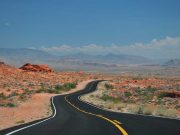
South of Pamplona the land shifts from farmland to a semi-desert of ochre mesas, sculpted ravines and open plains—the Bardenas Reales, a 42,000-hectare natural park and UNESCO Biosphere Reserve. It’s a place of wide skies where shepherds still move flocks and griffon vultures ride the thermals.
Why go: The sense of space here is powerful. Close inspection reveals subtle textures—rippled clay, stubborn wildflowers and fossil-like layers in the rock. Most of the tracks are quiet, so you can feel like you have the park to yourself.
Must-sees and routes:
– Castildetierra: the park’s iconic pinnacle; stunning at dawn.
– La Blanca Baja loop (34 km): drive or bike to sample the central zone and its overlooks.
– Piskerra and El Rallón hike: rugged paths into the heart of the badlands with dramatic ridge views.
– Balcón de Pilatos: a great spot for watching vultures.
– Cabezo de las Cortinillas and the Río Aragón corridor: quieter corners and greener riparian areas.
Practical notes: Tudela is the nearest town for accommodations and restaurants. Visit in spring or early autumn; summers can be extremely hot. There are no services inside the park—bring water, sun protection and supplies.
3. Santillana del Mar
Nestled in Cantabria about 30 minutes from the coast, Santillana del Mar is a perfectly preserved medieval village of cobbled lanes, stone houses and shaded plazas. It’s also a gateway to the Altamira prehistoric cave (the original is closed to protect the art, but an excellent replica and museum tell the story of Paleolithic painters).
Why go: The village feels alive rather than staged—bakeries sell sobaos, shopkeepers greet you, and quiet streets invite lingering. Stay overnight to enjoy the calm after day-trippers leave.
Highlights:
– Collegiate Church of Santa Juliana: fine Romanesque architecture and cloisters.
– Altamira replica and Museo de Altamira: exceptional insights into prehistoric art and life.
– Plaza Mayor: a charming square for coffee, cider or people-watching.
– Nearby trails and coast: easy walks into oak woods, meadows and coastal viewpoints.
– Nearby attractions: Cuevas de El Soplao (spectacular caves) and Comillas (Modernist architecture including Gaudí’s Capricho).
Practical notes: Buses connect Santillana with Santander and Bilbao (around 45 minutes). Renting a car gives more flexibility to explore nearby coves and small towns. Spring and autumn are ideal for fewer crowds and pleasant weather.
Final thoughts and travel tips
Spain’s headline destinations are wonderful, but the quieter corners often reveal deeper layers of history and landscape. Whether tracing Roman galleries in Las Médulas, cycling dusty tracks in the Bardenas, or sipping cider in a Cantabrian plaza, these places reward unhurried travel.
Logistics and planning
– Getting there: Fly to Madrid, enjoy the capital, then take trains or regional buses north; renting a car is helpful for rural areas.
– Flights: Use a comprehensive search engine to compare fares.
– Accommodation: Hostels, guesthouses and small hotels are common; booking platforms make it easy to find budget and mid-range options.
– Travel insurance: Recommended—options vary by traveler and needs, including providers focused on budget travelers, mid-range coverage and evacuation add-ons.
– Supplies: Many rural sites lack services—carry water, sun protection, food and a charged phone with maps.
These northern Spanish destinations invite slow exploration. Pack comfortable shoes, a curiosity for history and nature, and a willingness to leave the busy trail behind.