








Central and South America span an enormous range of landscapes and cultures—from volcanic highlands and sprawling rivers to desert moonscapes and palm-fringed islands. For 2026 our picks lean into places that are transforming: cities reinventing themselves with fresh dining and design scenes, remote wildlands gaining thoughtful infrastructure and conservation wins, and coastal hideaways becoming easier to reach. Below are standout destinations to consider for the year ahead, and why each deserves a spot on your itinerary.
Asunción, Paraguay — Go for: an emerging cultural and culinary capital
Paraguay’s capital is shaking off its low-profile reputation. New public-space projects, pedestrian dining complexes and an elevated park are reinvigorating the historic core, while electric buses and other sustainable initiatives are modernizing infrastructure. A wave of creative restaurants and coffee shops is defining a new Paraguayan food scene, and a growing roster of boutique and renovated heritage hotels makes the city a comfortable, culturally rich stop for curious travelers. Museums and contemporary art centers offer easy ways to learn about Guaraní culture and Paraguay’s layered history.
Chiriquí Province, Panama — Go for: castaway-style islands, marine reserves, eco-resorts
On Panama’s Pacific coast, Chiriquí balances remote islands, dense cloud forest and big protected parks. Large marine reserves are breeding grounds for marine life and seasonal whale migrations, while luxury eco-resorts and intimate private islands cater to travelers seeking solitude with high-end comforts. New rail projects promise to shorten travel times from the capital, opening up the region to more visitors while operators emphasize small-group naturalist experiences—snorkeling, guided cloud-forest hikes and bespoke whale-watching trips.
Costa Rica’s South Pacific Coast — Go for: deep-nature immersion and thoughtful eco-lodges
Uvita, Drake Bay and the Osa Peninsula offer some of Costa Rica’s most intact rainforest and marine environments. Solar-powered lodges, private jungle villas and conservation-minded camps put you within reach of humpback-watching, pristine coral reefs and Corcovado National Park’s staggering biodiversity. Festival culture, boutique wellness offerings and limited-permit policies—for example to protect Corcovado—help keep the region wild while accommodating higher-end, low-footprint tourism.
Fernando de Noronha, Brazil — Go for: some of Brazil’s most pristine beaches and marine life
This volcanic archipelago sits far offshore and is known for crystal waters teeming with turtles, dolphins and reef life. Recent improvements to flight access and airport capacity are making Noronha easier to visit, but strict protections maintain limited visitor numbers. Dining options are expanding beyond regional classics to include more diverse small restaurants and a casual food-hall concept, while the island experience still centers on outdoor activities: snorkeling, diving, and dawn trips with spinner dolphins.
Medellín, Colombia — Go for: inventive cuisine, lively nightlife, and urban innovation
Medellín continues its remarkable reinvention with a vivid dining and nightlife scene and ambitious urban-development projects that prioritize mobility and green public space. A large mixed-use hotel and restaurant complex launching in 2026 will consolidate the city’s status as a foodie destination, bringing experimental chef’s tables, longevity-focused wellness programming and an ecosystem of restaurants celebrating Colombia’s regional diversity. The city’s cable cars and vibrant neighborhoods provide cultural context as you sample emerging culinary talent.
Minas Gerais, Brazil — Go for: hearty regional cuisine, contemporary art, and cultural hubs
This large Brazilian state is gaining international notice for Belo Horizonte’s lively bar culture, inventive chefs reworking regional classics, and a blossoming contemporary art scene. New galleries and revitalized cultural markets are turning historic neighborhoods into creative districts. Just outside the city, Inhotim—the vast open-air art museum—continues to expand and remains a major draw for design and art lovers, now paired with more on-site hospitality options for overnight visits.
Northern Chilean Patagonia — Go for: green backcountry lodges and watershed conservation
If you want dramatic Patagonian scenery without the crowds of the south, Northern Patagonia’s fjords, rivers and temperate rainforests are increasingly accessible via new lodges and protected-lands initiatives. Conservation victories have secured key valleys and waterways, helping preserve iconic rivers for rafters and wildlife. High-end adventure lodges and a new spa/hot-springs complex offer restorative bases for hiking, birding and glacier-view excursions in a region of mossy forests and turquoise rivers.
Potosí and the Uyuni Region, Bolivia — Go for: surreal salt flats and elevated luxury experiences
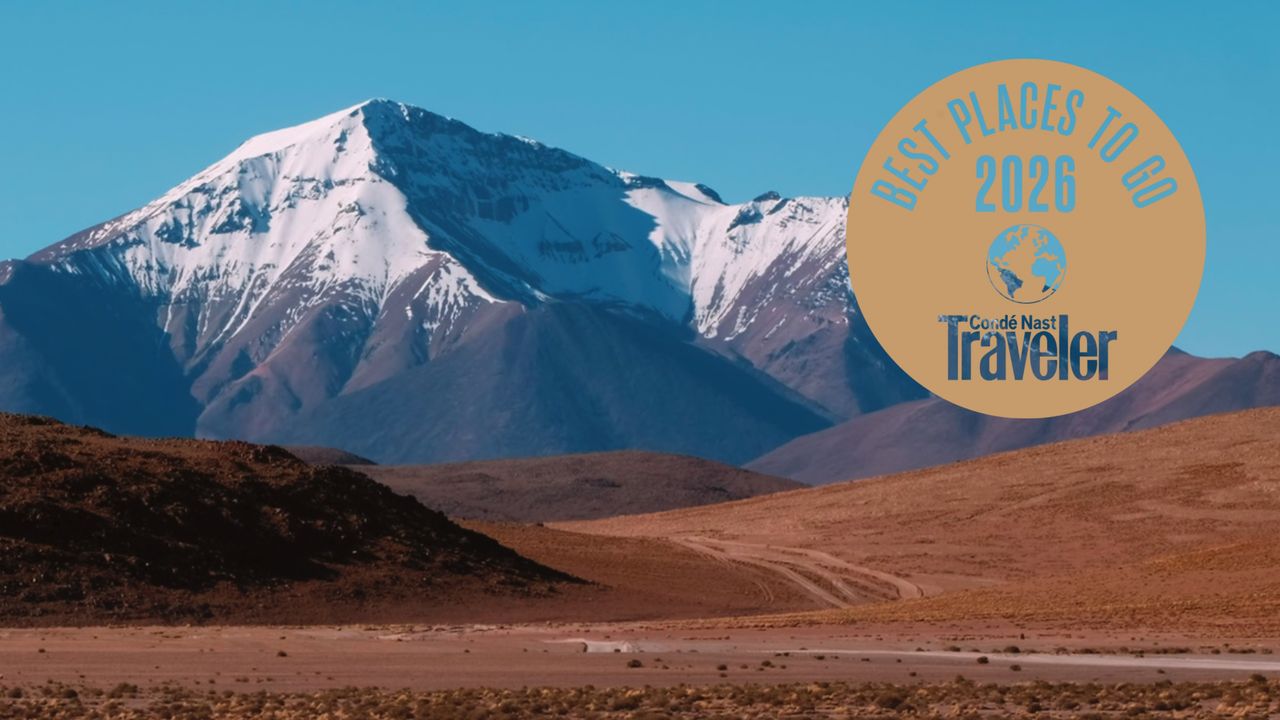
The world’s largest salt flat remains a bucket-list landscape, but a new generation of operators and design-forward accommodations are introducing comfort-focused ways to explore these otherworldly places. Improved overland logistics, luxury jeep and van options, boutique lodges, and immersive cultural meals on the salt pans are reframing Uyuni and greater Potosí as destinations for travelers who want both spectacle and refinement. Nearby high-altitude deserts, colorful lagoons and geothermal fields add variety to multi-day itineraries.
Santiago, Chile — Go for: a modern mercado ethos, bold restaurants, and sustainable design
Chile’s capital has been quietly reinventing its food and public-space infrastructure. Innovative urban markets that combine sustainability, green construction and chef-driven stalls have changed how locals and visitors eat, while high-quality opening restaurants and lively hotel bars complement an increasingly dynamic nightlife. The city’s mix of contemporary culinary talent and new mixed-use cultural developments make Santiago a strong city-break choice en route to Chile’s dramatic landscapes.
Tinajani Canyon, Peru — Go for: a red-rock Andean wilderness and a high-design safari-style camp
A lesser-visited highland canyon in southern Peru is emerging as a dramatic alternative to crowded tourist routes. A small, luxurious tented camp brings design-forward hospitality to this red-rock landscape dotted with pre-Inca formations, offering deep silence, high-altitude trekking and authentic rural encounters. For travelers aiming to combine off-the-grid adventure with comfort, the canyon makes an evocative complement to nearby Arequipa and other southern Peruvian highlights.
How to use this list
Plan a year of diverse experiences: pair a city with a wildland (for example, Medellín plus Northern Patagonia, or Santiago plus nearby national parks), and book accommodations and transfers in advance for the more protected or limited-access sites. Prioritize operators and properties that emphasize conservation and community benefits, and expect some destinations to be busier as new flights, rail links and hotel openings bring them into greater reach. Whether you seek beaches, high deserts, rainforest or evolving urban scenes, 2026 looks like a great year to explore the many faces of Central and South America.