







I returned to Ko Lipe after 19 years, to an island that had once felt gloriously off the map. In 2006 it was simple: a few hours of electricity, cheap beach bungalows, one beach bar, and days filled with snorkeling, reading, and rotating through a handful of small restaurants. It was easy to stay for weeks and leave with a sense of having found a secret place.
I avoided going back for years because I didn’t want to chase a memory. On a recent trip down Thailand’s Indian Ocean coast, practical reasons pushed me there: I needed a lively New Year’s Eve spot and Ko Lipe has boat connections to Langkawi. I wish my curiosity had been content to let the memory stand.
The island has largely followed the Ko Phi Phi trajectory: rapid, unsustainable development. Dirt paths are now concrete to accommodate cars and construction trucks. Palm groves have been cleared to make room for high-end resorts with pools—installed despite the island’s lack of natural freshwater. Construction continues at a brisk pace. The seas suffer too: coral is dying from prop wash, anchors, pollution, and overfishing. Beaches are lined with longtail boats whose exhaust leaves an oily sheen on the water. Food options tilt toward bland Western fare aimed at mass tourists instead of highlighting local Thai cuisine.
Much of the land boom has displaced locals who sold to mainland developers. Today many workers come from the mainland and local people see little of the economic upside. The familiar pattern—build fast, extract value, and move on—has been repeated here.
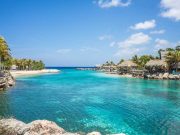
Make no mistake: the setting is still postcard-perfect—turquoise water, white sand, and a marine park full of islands. For first-time visitors, Ko Lipe can be a knock-your-socks-off destination. But familiarity changes the calculation. Unmanaged growth stretches a small island’s limited resources until things break. Every visitor adds pressure that’s hard to undo, and it isn’t reasonable to expect local communities to stay impoverished so outsiders can preserve an idealized version of a place.
There are nearby islands that have been better managed—Ko Lanta, Ko Jum, and Ko Mook among them. If you care about impact, choose one of those instead and skip Ko Lipe.
Consumer choices do have effects: public pressure ended many cruel elephant attractions, and demand for eco-conscious stays has helped sustainable lodges grow. Maybe a widespread decision to avoid Ko Lipe will nudge change; I’m not confident it will, but I hold out hope.
It hurts to say negative things about a place that once changed my life, but stewardship sometimes means declaring that enough is enough. Go somewhere better managed. If you don’t visit Ko Lipe, at least you won’t be making things worse.