









We could have flown—immigration lines, a taxi, checked into a hotel and been poolside by noon. Fewer groans of ‘Are we there yet?’ from our five-year-old, for sure. But where’s the fun in that? Bleary from an overnight train from Bangkok, my wife, our son and I crossed the Mekong in a rattling carriage with only one firm plan: a hotel reservation in Luang Prabang and a hunger for the unscripted backpacking spirit we’d chased more than a decade earlier.
Laos felt different almost immediately. I remembered long, bumpy drives and pickup trucks jammed with strangers; now a sleek Chinese-built railway zips north from Vientiane toward China at near high-speed rates, turning daylong hauls into an hour or two. Vientiane’s station was more like a small airport than a provincial rail stop: a lone café, a kiosk selling odd snacks, and a sudden burst of movement when the whistle blew. Monks in saffron robes mingled with rice-sack-toting locals, Chinese tourists with designer knockoffs and Germans with well-thumbed guidebooks, all swept through efficient, impersonal gates.
Ninety minutes later the landscape unfurled and the karst-speckled hills around Vang Vieng rose into view. Expecting nostalgia, I found renewal. The town that once made its name on river tubing and revelry has mellowed into something more family-friendly. Neon-soaked bars and truckloads of partygoers have given way to neat coffee shops and outfitter stores where pickup trucks now haul kayaks instead of kegs.
We rented a motorbike at dawn and chased viewpoints where the Nam Song River threaded between rice paddies. Children dove from bamboo platforms into jade lagoons while farmers rolled reed mats for impromptu noodle lunches and mango shakes. Evenings slowed to a soft pulse: paragliders stitched pastel lines across the sky, paper lanterns carried private wishes upward, and distant karaoke drifted like a faint soundtrack.
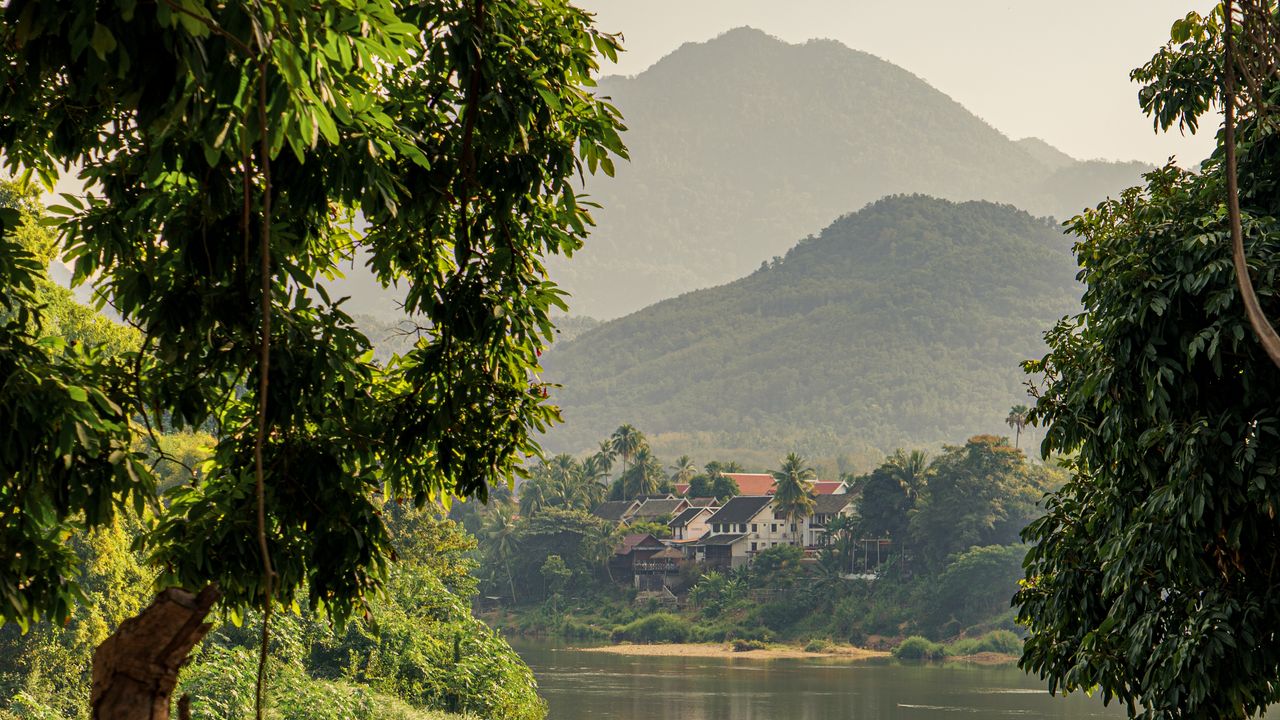
From Vang Vieng we rode the train north to Luang Prabang. Much of the route tunneled rather than revealed, but when light hit the valley the scenery was cinematic: jagged limestone, sleepy riverside villages, and the town itself with gingerbread mansions and gilded stupas that seemed lifted from a sepia photograph. The market still hawked cheap French baguettes stuffed with herbs and pâté, proof that some comforts persist. At sunset the town gathers on Phou Si Hill to watch the roofs go soft and golden.
Our hotel this time was a far cry from the guesthouses of earlier trips. The Amantaka, set in early-20th-century French colonial buildings, felt like a civilized fantasy—stucco walls, polished teak and a courtyard pool where even a morning croissant tasted elegant. We slipped back into familiar pleasures: slurping bowls of noodles beneath bougainvillea, cycling the quiet streets of the Old Quarter to temples where young monks still outnumber tourists, and watching our son treat enormous Buddhist murals as oversized, very reverent comic strips.
The morning market remained a riot of color and scent: banana blossoms, jars of honeycomb, and the occasional plastic-wrapped bamboo rat—its vendor’s conspiratorial wink and chop-gesture sending our son into delighted squeals. Little moments like that felt both unchanged and new because we were seeing them through different eyes.
Our last stop was Namkat Yorla Pa lodge, tucked into the rainforest of Oudomxay province. Once a half-day drive from Luang Prabang, it’s now only about 30 minutes from the nearest station, a reminder of how infrastructure has reshaped access. Surrounded by bamboo groves, ancient-rooted trees and mossy boulders, with suspension bridges, zip lines and crystalline streams, the lodge felt deliciously wild. An ethnic Khmu village looked down on terraced rice fields; villagers who once followed seasonal work now find steady employment at the lodge, and a new irrigation system supports as many as three harvests a year instead of one.
Revisiting places you loved years ago carries an unspoken hope that time froze them for you alone. But as our train eased back toward home, I realized that change and nostalgia can coexist. Laos had smoothed some rough edges and opened up fresh possibilities, yet the spirit of the places remained—if you choose to look with new eyes. Sometimes the best way to see that is to take the long route home and let the country reveal itself slowly.
Where to stay
Vang Vieng: Riverside Boutique Resort
Set on the Nam Song River, this 34-room property with rattan-and-teak décor, a riverfront terrace and a pool is a comfortable base in a town that increasingly offers polished alternatives to basic guesthouses.
Luang Prabang: Amantaka
Housed in French colonial buildings, Amantaka feels removed from the bustle while remaining within easy reach of downtown. Elegant suites, a courtyard pool and curated off-resort activities, including teak boat cruises at sunset, make lingering easy.
Oudomxay: Namkat Yorla Pa
Founded by conservationist Somphet Maopaseuth, this lodge is a launchpad for treks, birding and zip-line tours. Rustic villas, a breezy restaurant serving Lao staples like or lam and nam jim jaew, and full jungle surroundings complete the experience.