



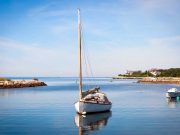




I went back to Ko Lipe after 19 years, curious and nervous about whether the island I’d lingered on in 2006 still existed. Back then it was blissfully off the beaten path: intermittent electricity, simple beachfront bungalows, slow days spent snorkeling, reading, and drinking at one beach bar. It felt like a place where time softened and friendships stuck.
This recent visit undercut that memory. The island has been heavily developed. Dirt tracks are now paved for cars and construction trucks, swathes of palm and scrub have been cleared for high-end resorts with pools — on an island with almost no natural fresh water. Construction is ongoing. Coral reefs are suffering from boat traffic, anchors, pollution, and overfishing. Longtail boats crowd the beaches and leave an oily sheen in the shallows. Restaurants increasingly offer mediocre Western dishes instead of excellent local Thai food. The overall character has shifted from slow and local to crowded and commercial.
That tourism boom hasn’t helped locals the way you might expect. Many residents have sold land to mainland developers. Much of the workforce is now sourced from the Thai mainland, and local communities see little of the economic upside. This mirrors a familiar pattern in Thailand: rapid building without adequate planning or respect for limited resources. Every new visitor, resort, or boat trip increases pressure on water, waste systems, reefs, and the social fabric of the island.
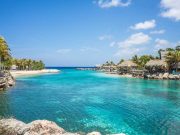
If you’ve never been, Ko Lipe can still take your breath away — the water remains brilliantly blue, the sand is startlingly white, and the surrounding national park still protects pockets of beautiful, quiet islands. Compared with Phuket, Krabi, or Ko Phi Phi it may feel less ruined. But knowing where it’s headed changes the moral math. I reached the same conclusion I did about Ko Phi Phi years ago: we should stop sending more people there.
I’m not saying tourism is inherently bad. Thoughtful, well-managed tourism can support communities and conservation. But unmanaged growth that prizes quick returns over long-term health is harmful. Travellers make choices: when we stopped riding elephants in Thailand, the practice declined; when tourists demanded eco-lodges, supply followed demand. The same dynamic can reduce pressure on fragile islands if enough people change course.
If you want to avoid contributing to the problem, choose better-managed alternatives nearby — Ko Lanta, Ko Jum, and Ko Mook are examples. They still offer beautiful beaches and slower development. If you must visit Ko Lipe, minimize your impact: travel off-season, use locally owned businesses, avoid motorized boat trips when possible, and support organizations working on reef and community conservation. But the simplest, most effective choice right now is to skip Ko Lipe.
By not going, you remove one small push toward more resorts, more boats, and more strain. Travel choices matter. If enough people decide to protect these places instead of consuming them, islands like Ko Lipe might have a chance to change course.