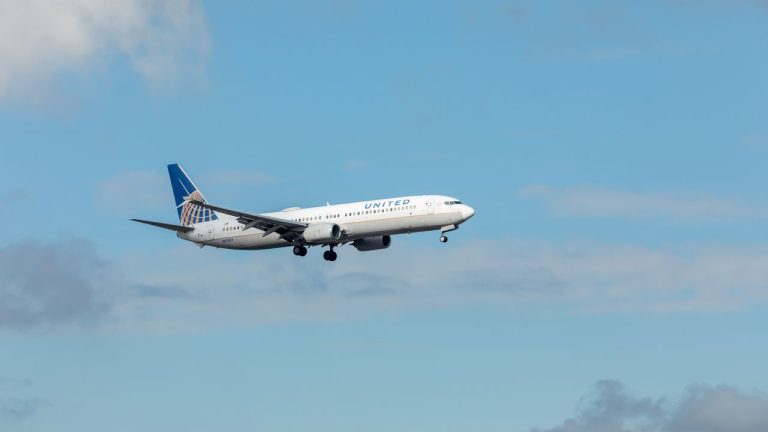
I’ve been traveling for nearly twenty years, and airline travel has changed dramatically. Points and miles are commonplace, budget carriers have proliferated, and legacy carriers have consolidated. Over the last decade ticket prices have steadily risen and often feel arbitrary. Here’s why your airfare costs what it does.
Industry consolidation and less competition
Bankruptcies, mergers, and alliances have left many markets with few carriers. In the United States the market is dominated by three legacy carriers (American, Delta, United). Canada effectively has two major carriers (Air Canada, WestJet). In Europe, a handful of groups control much of the market, though low-cost carriers offer alternatives on many routes. Where only one or two airlines serve a route, competition is weak and there’s little incentive to undercut fares—less competition generally means higher prices.
Higher operating costs
Jet fuel prices have risen sharply over recent years (for example, from around $1.37/gallon in 2017 to about $6.49/gallon in 2024), and those costs are passed on to travelers. Airport taxes, security fees, and route-specific charges (London is often cited as an example where fees make up a large slice of the fare) also add substantially to ticket prices.
Reduced supply and higher utilization
After the 2008 recession airlines cut routes and frequencies to keep planes fuller and reduce costs. That trend accelerated during COVID: airlines parked older aircraft, retired fleets early, and laid off staff. When demand rebounded, many carriers lacked planes and crews to resume pre-pandemic schedules. Fewer available seats with high demand naturally supports higher fares. As FareCompare’s Rick Seaney observed, the balance of power shifted toward airlines after 2009.
How airlines set prices
Four primary factors drive prices: competition, supply, demand, and oil prices. Airlines focus on “load factor”—the percentage of seats sold on a flight—and seek to maximize it. Because planes have fixed capacity, airlines use pricing to manage demand and revenue per flight.
Dynamic pricing and AI
Airlines use advanced revenue-management systems and AI to adjust fares in real time. These systems compare current booking trends to historical patterns, monitor events (conferences, concerts, sports), weather, and competitor behavior, and even analyze consumer search and booking patterns. The result: fares can spike or drop quickly. High demand triggers price increases; when demand softens, systems may lower fares to stimulate sales. That explains wildly different prices from one day to the next and why prices for early-morning flights or off-peak dates are often much lower.
Multiple fare buckets
A single flight can have many fare classes and dozens of price points. Carriers open and close availability in different buckets based on how sales are progressing. About three months before departure is a key period: airlines begin to manage the lowest fare buckets based on historical trends and current sales. Booking very close to departure (inside a month) often means less flexibility and higher prices, because you’re forced into whatever fares remain.
Practical tips to avoid overpaying
– Be flexible with dates and times. Midweek, off-peak hours, and shoulder seasons are cheaper.
– Book earlier rather than later, aiming for the period when airlines release and manage their low fare buckets (roughly around three months out, though this varies).
– Use search tools that compare many carriers and sites.
– Consider alternative airports, nearby dates, or connecting flights to find lower fares.
– Use travel credit cards and loyalty programs to reduce costs through miles and upgrades.
– Track prices and set alerts; fare volatility works both ways.
Further reading and resources
If you want detailed tactics, see guides on how to find cheap flights, how to use airline credit cards for free flights, and methods for searching airline tickets effectively. There are also many booking and travel resources—flight search engines, accommodation sites, and travel insurance options—that help manage costs and protect trips.
The new normal
Cheap airfares as they once existed are mostly gone. Consolidation, higher fuel and fee costs, and reduced seat supply mean prices today reflect a new normal. But by understanding how fares are set and being flexible and strategic about when and how you book, you can avoid paying the highest prices.