






No Oscar exists for location work specifically, but several of this year’s biggest winners leaned heavily on place to tell their stories. The broadcast even winked at that geography in its opener, sending Conan O’Brien’s Gladys past a Mississippi Delta juke joint and into an Oslo living room. Below are the principal shooting locations that helped shape the films taking home statuettes.
One Battle After Another
Paul Thomas Anderson’s Best Picture winner—which took six Oscars from 13 nominations, including best director and a supporting-actor prize—owes much of its “Any-Town, USA” sweep to a cross-state production footprint. Production manager Florencia Martin scouted more than 25 cities as the crew stitched together sequences shot across California and Texas. From Sacramento and Humboldt County through other Northern and Central California spots and into stretches of Texas, the locations create the film’s rapid, mosaic-like journey across contemporary America.
Sinners
Michael B. Jordan won his first Oscar for Best Actor in this Southern Gothic piece, a mix of horror, the supernatural, and musical interludes. Though the story is set in the Mississippi Delta in 1932, the production was filmed in Louisiana. New Orleans–based production designer Hannah Beachler, an Academy Award winner, assembled eerie, period-appropriate bayou environments that underpin the film’s atmosphere and Jordan’s performance.
Sentimental Value
Joachim Trier’s Best International Feature centers Oslo, pairing the Norwegian capital’s quieter neighborhoods and interiors with standout turns from Renate Reinsve, Stellan Skarsgård, and Elle Fanning. The film highlights parts of the city that rarely take center stage on screen, and its intimate, local settings may prompt a fresh wave of interest in Oslo from cinephiles.
Hamnet
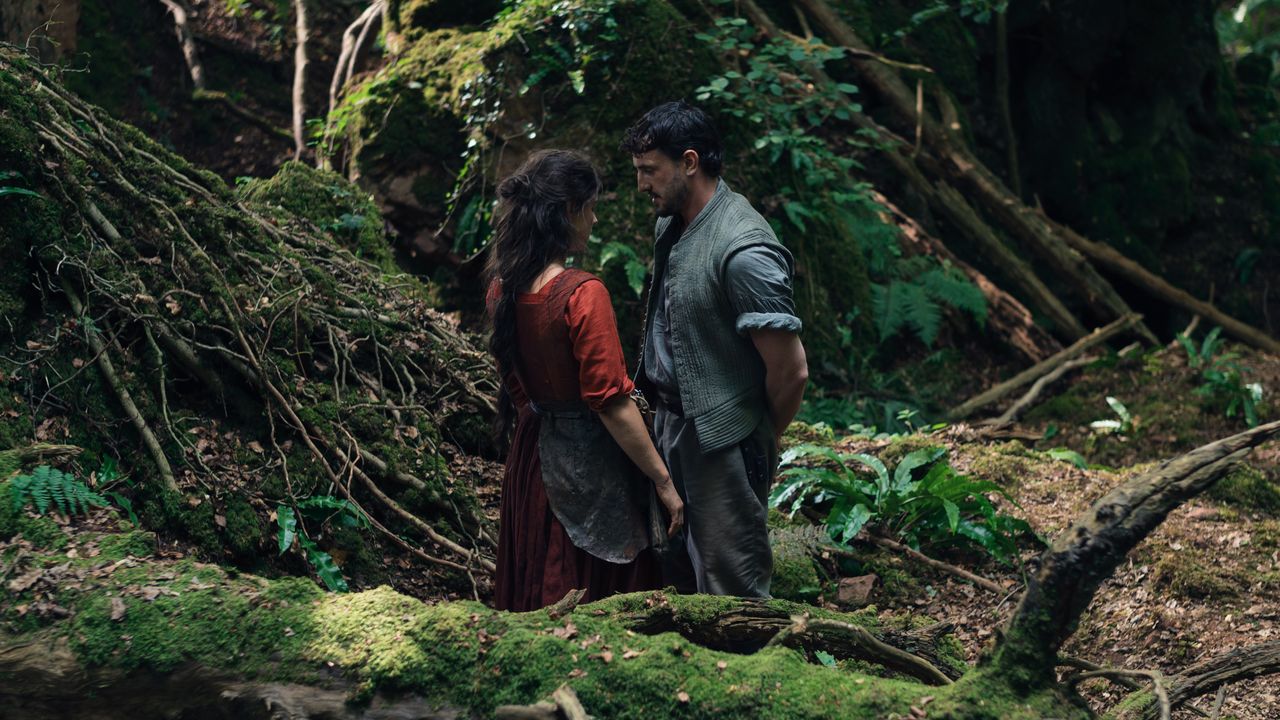
Jessie Buckley won Best Actress for her portrayal of Agnes—historically known as Anne Hathaway—in this adaptation of Maggie O’Farrell’s novel. The production recreated late-1580s England by filming in the lush British countryside, largely around Herefordshire and the towns along the Welsh border. Medieval farmhouses and rolling landscapes were transformed into convincing Tudor-era settings that emphasize the story’s ties to nature and herbal healing.
Frankenstein
The film’s multiple wins in costume, makeup and hairstyling, and production design reflect the scale of work required to bring Mary Shelley’s Gothic vision to life. The production shot across the U.K.—from Edinburgh and Glasgow to Wiltshire—on a roughly 100-day schedule to evoke late 18th-century Europe. Those sprawling locations supported the film’s epic tone and the performances of Jacob Elordi and Oscar Isaac.
Together, these pictures demonstrate how deliberate location choices—whether specific cities, regions standing in for other places, or carefully chosen countryside—anchor performances and production design in tangible, resonant settings that deepen storytelling.