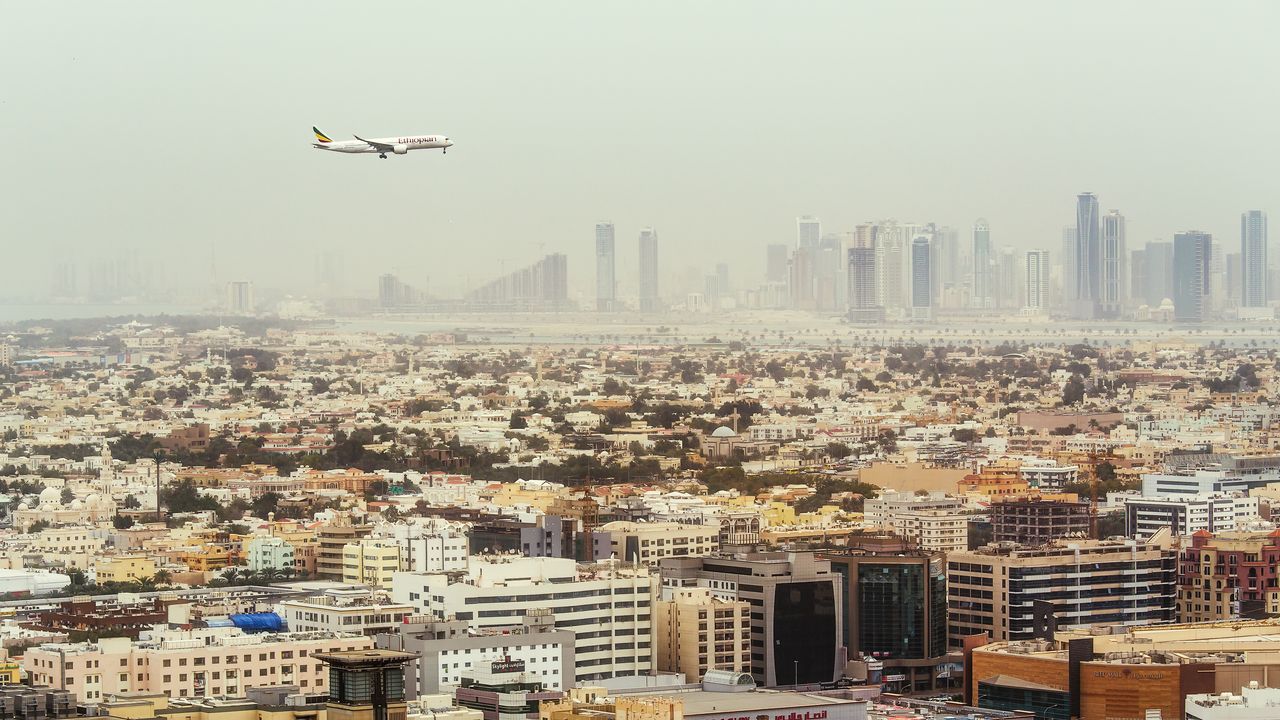

The ongoing conflict in Iran has caused widespread flight delays and cancellations, disrupting travel plans for thousands of passengers. Following US and Israeli strikes on February 28, Gulf states including the UAE, Qatar, Kuwait, Bahrain, Iran, Israel, and Iraq introduced full or partial airspace closures and temporary flight restrictions. Flights are gradually resuming via controlled aviation corridors in parts of the region, with limited departures available from Dubai, Doha, and Abu Dhabi. Major UAE carriers Emirates and Etihad are operating limited schedules, with more routes expected to return in the coming days. Passengers will be contacted directly by their airlines if rebooked onto confirmed flights.
This article was last updated on March 13, 2026.
Which airlines have resumed flights in the Middle East?
Flights remain disrupted at Dubai International (DXB), Abu Dhabi’s Zayed International (AUH), Bahrain International, Doha’s Hamad International (DOH), Kuwait International (KWI), Tehran’s Imam Khomeini, and Tel Aviv’s Ben Gurion. Airlines advise passengers only to travel to the airport if contacted by their carrier with a confirmed booking.
– Emirates: Operating a limited schedule to about 75 destinations, plus repatriation and cargo flights prioritizing existing bookings. Transit passengers are only accepted if onward flights are confirmed. The airline expects to scale operations as conditions permit.
– Etihad Airways: Running a limited schedule to roughly 70 destinations through March 19, with tickets on sale and additional destinations to be added as possible. Passengers with tickets issued on or before February 28 for travel through March 10 may change bookings without rebooking fees for travel up to March 31.
– Qatar Airways: Issued a March 13 travel advisory for temporary repatriation flights through March 17 to select European capitals (LHR, CDG, MAD, FCO, FRA) using limited corridors authorized by the Qatar Civil Aviation Authority. These corridors do not confirm a full resumption of scheduled operations.
– Flydubai: Operating a reduced schedule alongside repatriation flights. Customers booked between February 28 and March 31 may rebook to the same or another destination within 30 days of the original date without penalties.
– Oman Air: Cancelled several regional routes from March 9–15 but has flown extra services in recent days and operated nearly 80 additional flights to help stranded passengers, moving people via extra frequencies and cross-border bus support when needed.
– Air Arabia: Operating a limited number of UAE flights through March 22, subject to approvals. Passengers whose flights were cancelled may rebook or use refund options per airline policy.
– British Airways: Cancelled all flights between Heathrow and Amman, Bahrain, Doha, Dubai, and Tel Aviv up to March 28; suspended London–Abu Dhabi for the season. Added extra long-haul flights to offset disruption and is offering options to impacted customers.
– Gulf Air: Suspended all inbound, outbound, and transit flights while Bahraini airspace remains closed. Services will resume only when Bahraini authorities deem it safe; the carrier relocated its fleet from Bahrain as a precaution.
– Lufthansa Group: Suspended flights to/from multiple Middle East destinations through late March or early April for some routes; specific suspensions vary by city and carrier within the group.
– Virgin Atlantic: Suspended its seasonal London–Dubai route and paused Riyadh services temporarily; it is contacting impacted customers and coordinating returns for those away from home.
– Air India / Air India Express: Operating a limited, largely ad-hoc number of flights from Gulf airports and the wider West Asia region, with a mix of scheduled and non-scheduled services subject to slot availability and permissions.
– KLM: Cancelled flights to Dubai, Riyadh, and Dammam through March 28; offering free rebooking or refunds for cancelled passengers and participating in repatriation efforts.
– SalamAir: Operating flights between Fujairah and Muscat with connections to several regional cities; tickets available via the airline and authorized agents.
– Kuwait Airways: Commercial operations at Kuwait International are on hold; Kuwaiti citizens with bookings are being repatriated via Jeddah with final travel by land into Kuwait.
– Air Canada: Cancelled flights to Dubai through March 28 and suspended Tel Aviv service through May 2. Passengers with affected bookings to several Middle East cities can change travel dates within an allowed window.
Which countries have closed their airspace?
– United Arab Emirates: Partially reopened airspace with a small number of repatriation flights from main airports. Passengers should not go to airports unless contacted by their airline.
– Qatar: Partially reopened for limited repatriation corridors; scheduled commercial flights remain suspended.
– Iran, Iraq, Israel, Bahrain: Airspace closed.
– Kuwait: Airspace closed following a reported drone attack on its airport that caused minor injuries and material damage to Terminal 1.
– Saudi Arabia: According to the US Department of State, Saudi airspace is open with commercial flights from Riyadh, Jeddah, and Dhahran operating, though cancellations and delays remain significant.
Which destinations are impacted?
Major regional hubs and transit corridors are affected:
– Tel Aviv: Airspace heavily restricted; many international carriers have suspended or paused service.
– Dubai and Abu Dhabi: UAE airspace partially reopened with a limited number of operating flights from DXB, DWC, and AUH. Services are selective; airlines will contact booked passengers on operating flights.
– Iran and Iraq: Airspace closed or widely avoided; carriers reroute around these countries.
– Kuwait: Airspace closed and commercial operations suspended after damage to the airport.
– Doha: Closed for general traffic but limited repatriation corridors approved for specific flights.
– Bahrain: Airspace closed per Bahraini authorities.
How will this impact my flight?
Travelers should expect:
– Technical stops: Unscheduled fuel or routing stops, especially on lower-cost carriers taking longer routings.
– Flight cancellations: Grounding of flights while airspace is closed.
– Schedule shifts: Knock-on effects as airlines reorganize aircraft and crews when flights resume.
– Rerouting delays: Longer flight times for services that remain operational.
Airlines are offering refunds and flexible rebooking options, though policies vary by carrier. Passengers should update contact details in booking systems, monitor airline advisories, and avoid traveling to airports unless explicitly instructed to do so.
This article was originally published on Condé Nast Traveller Middle East. Additional reporting by Hannah Towey.