







The Bazaruto Archipelago often steals the spotlight when people talk about Mozambique’s coastline, but the nearby mainland town of Vilanculos deserves just as much attention. Serving as the main launch point for Bazaruto and Benguerra—around a 10-minute helicopter hop or a 20–60 minute boat ride—Vilanculos is easy to miss, and that understated quality is part of its charm. It offers a lively, authentic atmosphere without the island price tag.
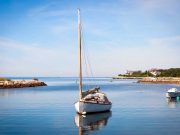
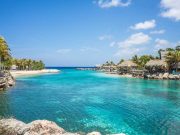
Wide stretches of white sand meet a calm, turquoise sea dotted with traditional dhows and local fishermen. Beneath the surface, this stretch of the Indian Ocean supports a rich marine ecosystem: coral gardens, abundant fish life, and seasonal visitors including dolphins, whale sharks, manta rays, turtles, and even dugongs. The waters between the mainland and the islands are believed to hold the last viable dugong population in the western Indian Ocean, making the area especially important for conservation-minded travelers.
I spent an afternoon exploring Vilanculos with a local guide arranged through my hotel, Saudade. Walking the town with someone who knows the stories brings the place to life: how the Chopi people have long made their living from the sea, and how from roughly the 10th century this coastline was part of a wider trading network linking East Africa with Arabia, Persia, and India. Arab and Swahili dhows stopped along these shores to trade ivory, gold, spices, and other goods, leaving a layered cultural heritage that’s still visible today.
A visit to the central market is essential for anyone wanting to dip into local life. Stalls bustle with fishermen selling the day’s catch, vendors offering spices, homemade condiments, and jars of local honey, and artisans displaying handwoven baskets, carved wooden pieces, and colorful textiles. Be on the lookout for capulana fabric, a vibrant multipurpose cloth traditionally used as skirts, headscarves, and baby carriers, but equally handy as tablecloths or throws. Shop Gallery Daniel Chivale is a rewarding stop for well-crafted baskets, bags, and carvings.
Food on the mainland is a highlight: forget the formality of island fine dining and eat where locals do. Fresh seafood is everywhere, and Mozambican-Portuguese flavors shine through dishes like spicy piri-piri chicken and matapa, a rich stew of cassava leaves, coconut milk, and ground nuts often served with shellfish. Zita’s Restaurant is a popular local favorite and also runs cooking classes and market tours if you want to learn how to cook regional specialties. For the best meals, ask your hotel, guide, or market vendors for recommendations—locals know the spots.
Vilanculos is more affordable than the archipelago, but it offers something equally valuable: authenticity. It’s an excellent base for beach time, snorkeling and diving, and meaningful encounters with coastal Mozambican history and culture. Whether you’re heading out to the islands for a day or settling in on the mainland, Vilanculos feels like a place where the sea still sets the pace and local life remains wonderfully unhurried.