








As 2026 approaches, travel editors and local experts have pinpointed European places worth a spot on your itinerary—destinations primed by new cultural centers, hotel openings, events, improved transport, and conservation initiatives. Below are ten European regions and cities to consider for the year ahead, and what makes each one special.
Brussels, Belgium — Go for: creative energy and a cultural revival
Brussels is shaking off its image as only a bureaucratic capital and stepping into a more creative role. A landmark contemporary arts hub, transforming a former factory into a Centre Pompidou–curated institution, is set to anchor a program of exhibitions, performance, film and learning spaces, plus a panoramic rooftop bar. Nearby, adaptive-reuse projects and restored department-store architecture give the city new public life; the revamped Gare Maritime mixes sustainable design with chef-led food stalls. Time a visit for spring art fairs and the imaginative, biannual Zinneke Parade, or combine the trip with the Belgian Grand Prix for high-octane excitement.
Crete, Greece — Go for: authentic cuisine and a year dedicated to gastronomy
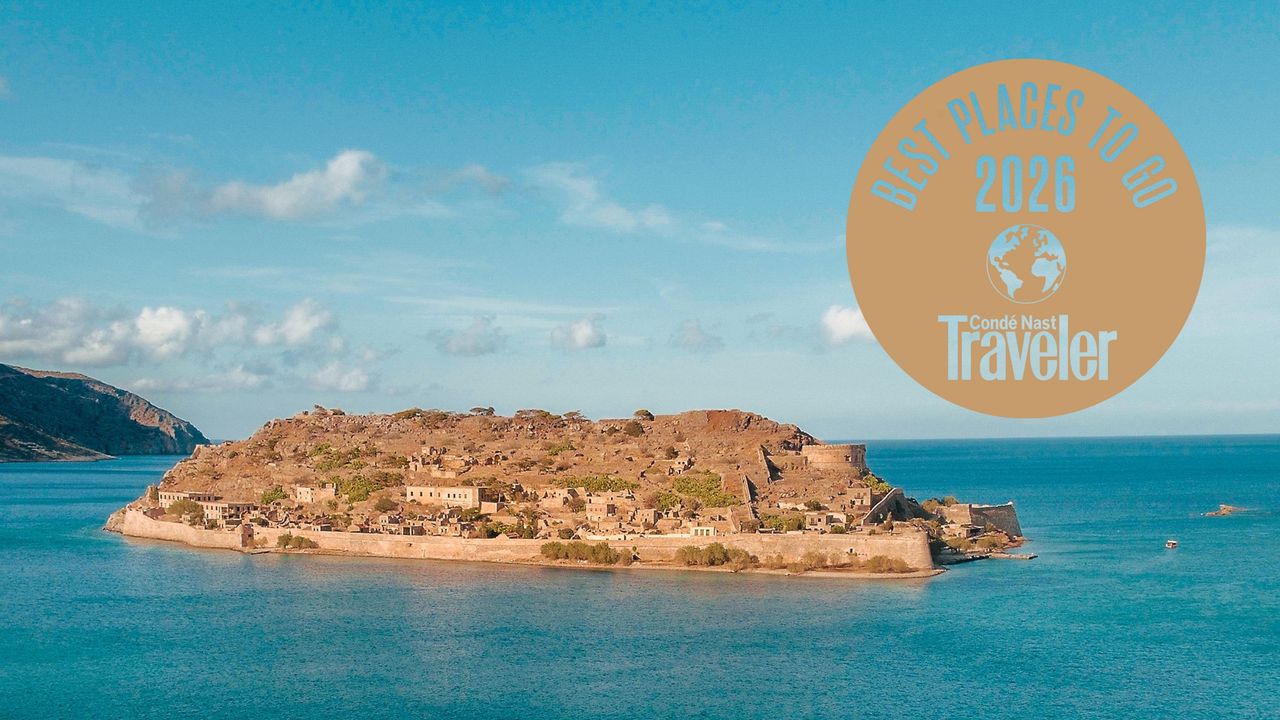
Crete—Europe’s largest Greek island—has been named the European Region of Gastronomy for 2026, a nod to its millennia-old food and wine traditions. Expect foraging-driven menus, festivals celebrating the Cretan diet, and a wave of hotel openings with strong culinary programs. New resorts and converted properties are bringing Michelin-level cooking and farm-to-table dining to scenic coastal towns, while the island’s upgraded airport will make getting there more convenient.
Frankfurt am Main, Germany — Go for: World Design Capital programming and new cultural spaces
Beyond finance and a skyline that earns it the nickname “Mainhattan,” Frankfurt is positioning itself as a design-forward city in 2026, when it serves as World Design Capital under the theme “Design for Democracy.” Thousands of events will explore design’s role in civic life across reinvented neighborhoods and reconstructed historic districts. A new Jewish Academy will open as a center for education and culture, and several boutique and luxury hotels will add fresh places to stay, blending contemporary hospitality with the city’s storied past.
Islay, Scotland — Go for: whisky culture and bold new distilleries
On Islay, nearly 250 years of whisky-making meet a new era of expansion. New distilleries and boutique hospitality projects are appearing alongside the island’s long-established names, injecting renewed optimism and creativity into the peat-scented whisky scene. Expect immersive tasting experiences, themed accommodation run by whisky brands, and the chance to watch small-batch producers shape the future of one of Scotland’s most iconic spirits.
Milan, Italy — Go for: winter sport, design week, and fresh luxury hotels
Milan will be in the international spotlight in 2026 as a co-host city for the Winter Olympics, with a sustainable, widely distributed program of venues and initiatives emphasizing renewable energy and legacy planning. The city will also host its global design week, the Salone del Mobile, where installations, showrooms and offsite events address sustainability and social impact. Luxury openings in fashion districts and creative neighborhoods will make Milan a compelling choice for design lovers, shopaholics and culture-seekers alike.
Saint-Gervais-les-Bains, France — Go for: Alpine access by train and sustainable mountain travel
This Haute-Savoie spa town is increasingly focused on greener mountain tourism. A century-old cross-valley rail line will receive new energy-efficient trains, expanding capacity and easing road traffic, and regional rail links will make arriving by train simpler. A gondola that links the mainline station with the resort center has already cut car journeys, and a new glacier and climate center opens to deepen visitors’ understanding of mountain environments. The town is positioning itself as a model of sustainable access to the Mont Blanc area.
Seville, Spain — Go for: a reinvigorated food scene and a wave of hotel openings
Seville’s culinary identity is evolving: a new generation of chefs blends tradition with innovation while classic restaurants remain important cultural staples. A lively cocktail scene complements a night-life reinvention. At the same time, international and boutique hotels are arriving in quick succession, transforming historic buildings into luxury stays and expanding the city’s capacity for higher-end tourism. The combination of inventive restaurants and new places to sleep makes Seville an especially appealing cultural break.
Oulu, Finland — Go for: Arctic culture, art trails and year-round programming
Sitting just south of the Arctic Circle, Oulu will be one of Europe’s northern Capitals of Culture in 2026 under the banner “Cultural Climate Change.” Expect events that respond to environmental and social challenges, digital and public-art projects scattered across forests and shorelines, contemporary Sámi exhibitions, electronic-music festivals on the frozen sea, and a major new museum and science center. The city’s sauna culture and low-impact food traditions round out an experience that mixes tech, art and northern lifestyle.
The Peloponnese, Greece — Go for: Homeric landscapes, film locations and extended hiking trails
The Peloponnese will be a draw for both history lovers and outdoor adventurers. Film productions highlighting the region’s dramatic coastline have boosted interest in Messinia and its cinematic vistas. Archaeological displays and revamped local museums will showcase Mycenaean treasures, and a newly completed long-distance trail network offers extensive hiking across restored mule paths, ancient sites and dramatic beaches. Luxury eco-conscious resorts make convenient bases for exploring Homeric ruins, seaside coves and bird-rich lagoons.
Upper Carniola (Gorenjska), Slovenia — Go for: Julian Alps scenery, lakes and growing cultural offerings
Tucked between Austria and northern Italy, Upper Carniola (Gorenjska) combines alpine grandeur with small-scale hospitality. Lake Bled, Triglav National Park and fairytale villages anchor the region’s appeal, but 2026 looks set to bring contemporary cultural openings and new wellness options. A major private art museum will debut near Bled Castle, a high-altitude thermal spa hotel will elevate wellness offerings, and intimate alpine guesthouses are multiplying. The region’s culinary reputation is also rising, supported by sustainable kitchens and acclaimed chefs.
Whether you’re drawn by design festivals, new hotels and distilleries, mountain sustainability projects, or revived food cultures, these European destinations offer fresh reasons to plan a trip in 2026. Each one blends local character with new investments and events that make it particularly worth visiting next year.