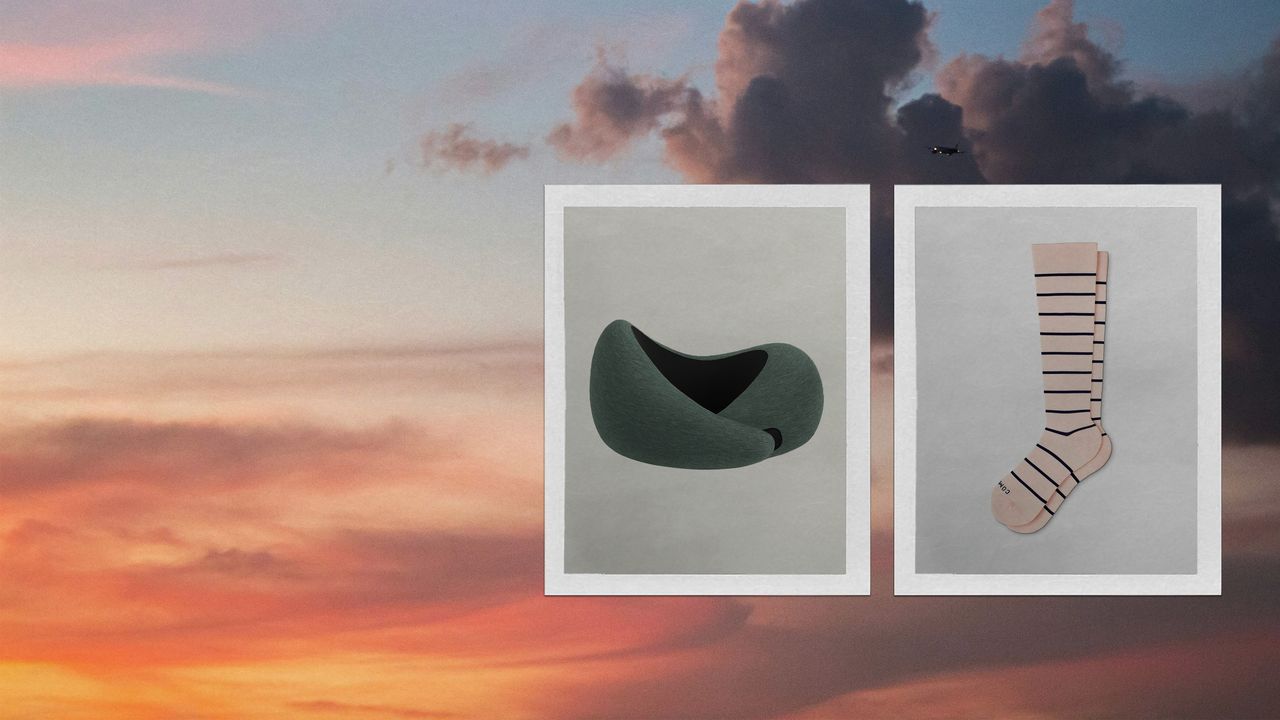

Mid-flight exhaustion is the worst—the micro-nods, restless legs, and that “are we there yet?” feeling. Whether you’re on a long-haul or the last leg of a multi-stop trip, you don’t need to upgrade to business class to get some decent sleep. With a bit of planning and a small carry-on of comfort items, sleeping in economy—even the middle seat—is entirely doable. Here’s how.
Consider the time zone you’re flying into
First ask yourself whether you should sleep. If you haven’t shifted your schedule before departure, you can start on the plane. Set your watch to the destination time at boarding and try to eat, sleep, and seek light according to that zone. Avoid eating if it’s nighttime at your destination; eating aligned with your new time zone can help you adapt faster. Also note diet: very high-calorie meals may impede time-zone adjustment.
Create a compact sleep-hygiene amenity kit
Bring earplugs (or noise-canceling headphones) and a quality eye mask to limit stimuli. EarPlanes-type earplugs reduce cabin-pressure discomfort; noise-canceling headphones work well with white noise or calming playlists. Add a small pillow or inflatable lumbar support, a neck pillow, a lightweight blanket or oversized scarf (which doubles as a blanket), moisturizing lip balm, and a tiny vial of lavender oil if you use aromatherapy. These items are small but dramatically improve comfort and help you relax.
Select and modify your seat
Airline seats are often uncomfortable by design, but you can improve them. Select a seat when check-in opens or pay to reserve a window or aisle in advance. If you’re stuck in a middle seat, small, discreet modifications help: a lumbar pillow or inflatable lumbar support relieves lower-back pressure; a memory-foam seat cushion reduces numbness and stiffness; an airplane foot hammock or footrest can elevate and support tired legs discreetly. Simple additions curb restlessness and keep circulation moving.
Don’t forget your neck pillow
A supportive neck pillow prevents the dreaded forward head-drop. Choose one that packs down if you don’t want bulk—memory-foam and structured travel pillows offer the best support. There are also tray-table neck supports for an alternative sleeping position that prevents head-nodding when you sleep upright.
Get cozy (but be courteous)
Dress in layers and in comfortable, breathable fabrics. Remove shoes after takeoff, slip into compression socks or foldable slippers, and wear a roomy sweatsuit or oversized loungewear. Compression socks help circulation on long flights; a soft oversized scarf or cashmere wrap acts as a blanket and helps regulate temperature. Be courteous: no bare feet and avoid disturbing neighbors.
Optimize temperature, light, and sound
Aim for a cool, dark, and quiet sleep environment—those are the main ingredients of good sleep. Dress in layers so you can adjust when the cabin temperature changes. Use a good eye mask and earplugs or noise-canceling headphones. A blanket scarf or travel blanket is warmer and more comfortable than the thin airline throw.
Choose relaxing topicals and supplements carefully
Small comforts applied topically can help you unwind. A drop of lavender essential oil on your temples or your mask can induce relaxation for some people. Melatonin gummies or tablets can help on overnight flights, but only use them if you know how your body reacts beforehand. A magnesium-rich leg cream can reduce restlessness and soothe tight muscles. Foot pads or similar products can ease discomfort after long sitting periods.
Hydrate and watch your drinks
Avoid excess caffeine and alcohol; both dehydrate and disrupt sleep. Drink water throughout the flight and rehydrate after landing—dehydration worsens fatigue and jet lag. Herbal teas can be soothing before sleep. Consider electrolyte mixes or tablets if you’re worried about hydration—these can help maintain balance without added sugar. Carry a reusable insulated bottle to keep water handy.
Simplify your skincare routine
A short “get ready for bed” routine helps your brain switch into sleep mode. Plane air is drying; a quick cleanse (or at least removing makeup), a lightweight moisturizer or serum, a hydrating lip mask or balm, and cooling under-eye patches can make you feel refreshed on arrival. Use small reusable toiletry bottles to keep carry-on friendly sizes.
Seat-based strategies when you must sleep upright
– Recline when safe and considerate: even a slight recline makes a difference. Aim for a slow, smooth recline to avoid jostling neighbors.
– Use your neck pillow and a folded jacket or scarf to support your head and keep it from falling forward.
– Keep your chin slightly tucked and shoulders relaxed. Tilting your head against a window or using a pillow anchored between your head and the seatback can help, if you’re in a window seat.
– If you’re in a middle seat, allow the window or aisle passenger to rest their preferences; politely negotiate small adjustments rather than forcing your setup.
Managing interruptions and light sleep
Expect interruptions—service carts, seatmates, and announcements happen. To maximize limited sleep: dim screens, set devices to Do Not Disturb, use an eye mask, and have earplugs handy. If you’re using melatonin or another sleep aid, time it to align with when you actually plan to sleep rather than at takeoff.
Mind your preflight strategy
If your flight leaves at a time when you should be awake at your destination, try to stay awake before flying so you can sleep on the plane. If you should be asleep on arrival, consider catching some sleep in-flight to align with the local schedule. Adjusting sleep in the days before long-haul trips—gradually shifting bedtime toward the destination time—helps a lot when feasible.
Products and small extras worth packing
– Earplugs or noise-canceling headphones for sound control.
– A comfortable eye mask, optionally weighted or contoured.
– Neck pillow (memory-foam or structured).
– Inflatable lumbar or seat cushion for lower-back support.
– Foot hammock or small footrest to elevate legs.
– Foldable slippers and compression socks for circulation and comfort.
– Oversized scarf, cashmere wrap, or travel blanket for warmth.
– Lavender essential oil or another mild calming scent (travel-size).
– Melatonin gummies or tablets (only if you’ve used them before).
– Hydration tools: electrolyte packets/tablets and an insulated water bottle.
– Minimal skincare: moisturizer, lip balm, and cooling under-eye patches.
Short checklist for in-flight sleep
– Set watch to destination time and decide whether to sleep.
– Put on comfortable layers and compression socks.
– Create a seat setup: neck pillow, lumbar support, and blanket/scarf.
– Use earplugs/headphones and an eye mask; play white noise if needed.
– Hydrate, avoid alcohol and extra caffeine, and consider a calming herbal tea.
– Apply topical relaxants or melatonin only if you know how they affect you.
– Recline politely and secure items to avoid disturbing neighbors.
When to avoid sleep aids or supplements
If you’ve never used melatonin or other sleep aids, don’t experiment for the first time on a long flight. Check interactions with medications, and consult your doctor if you have sleep disorders, respiratory issues, or other health concerns that might make sedatives risky.
A few final tips
– Be mindful of others: establish small courtesies like keeping your space tidy and your movements smooth when reclining or rising.
– Plan for arrival: set an alarm and a backup (phone vibration and a watch), and keep essentials like passport, phone, and a light jacket within reach.
– Practice good sleep habits before travel when possible: a well-rested body adapts better and needs less in-flight compensation.
With a bit of preparation—timing, a compact amenity kit, sensible clothing, hydration, and a few seat tweaks—you can reliably get useful sleep on an airplane, even in economy or a middle seat. Try a combination of the suggestions that fit your comfort needs and travel style, and you’ll arrive more rested and ready to go.
This article has been updated with new information since its original publish date.