







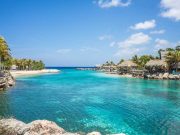

Ko Lipe has followed the same rapid, poorly planned development path seen on Ko Phi Phi. Dirt tracks have been paved into concrete roads used by construction trucks and cars. Palm groves and native vegetation have given way to luxury resorts with swimming pools on an island that has almost no freshwater source. Construction is ongoing. Coral reefs are in decline from anchor damage, boat traffic, pollution, and overfishing. Beaches are crowded with longtail boats spitting exhaust and leaving oily films where people swim. Dining options increasingly aim to please tourist palates with bland Western dishes rather than celebrating authentic local cuisine.
The boom hasn’t produced the hoped-for local benefits. Many residents sold land to mainland developers and were displaced; much of the service workforce now comes from the mainland and sees limited advantage from the tourism surge. Land, freshwater, and marine resources are strained and often mismanaged. In short, the growth has been extractive rather than regenerative.
If you’ve never been, the scenery can still charm you: turquoise water, white sand, and boat trips to nearby quieter islands within the national park can be beautiful. Compared to Phuket, Krabi, or Ko Phi Phi, Ko Lipe still feels less built-up to a first-time visitor and can enchant. But knowing what I once experienced and what I now saw, I’ve reached the same conclusion I formed about Ko Phi Phi: sometimes the responsible choice is not to go.
I’m not opposed to development itself; communities deserve to benefit from tourism. But the type of expansion happening here is unsustainable and will only intensify if demand keeps rising. Locals aren’t obligated to preserve an idealized version of their homeland for outsiders, and realistic restoration to the island’s former state is unlikely. If you try to be a conscientious traveler, skipping a place that’s being overrun can be a meaningful action.
There are nearby alternatives better managed and more likely to benefit local people: Ko Lanta, Ko Jum, Ko Mook among them. Choosing those destinations directs your tourism dollars to places where infrastructure, conservation, and community interests are handled more thoughtfully. Consumer behavior matters; when travelers stopped supporting harmful attractions elsewhere, unethical practices declined and more sustainable options emerged. Conversations about overtourism are driven as much by visitors as by locals.
Maybe enough people choosing not to visit will nudge change on Ko Lipe. I doubt it will reverse everything, but it could help slow the damage. For now, it pains me to say that this little island, which once meant so much to me, has passed a point where restraint is the best form of respect. Go somewhere better managed. Your choices do make a difference.”}